
Global muscles are the large muscles that produce movement. They are the ones that generate your strength, your power and your speed, and they sit closer to the surface of your body than the deeper postural muscles.
And no, they are not well-travelled muscles.
Global muscles versus stabilisers
Your body runs two systems side by side.
Global muscles, also called prime movers, are the big ones. They create the force. Think quads, glutes, lats, deltoids.
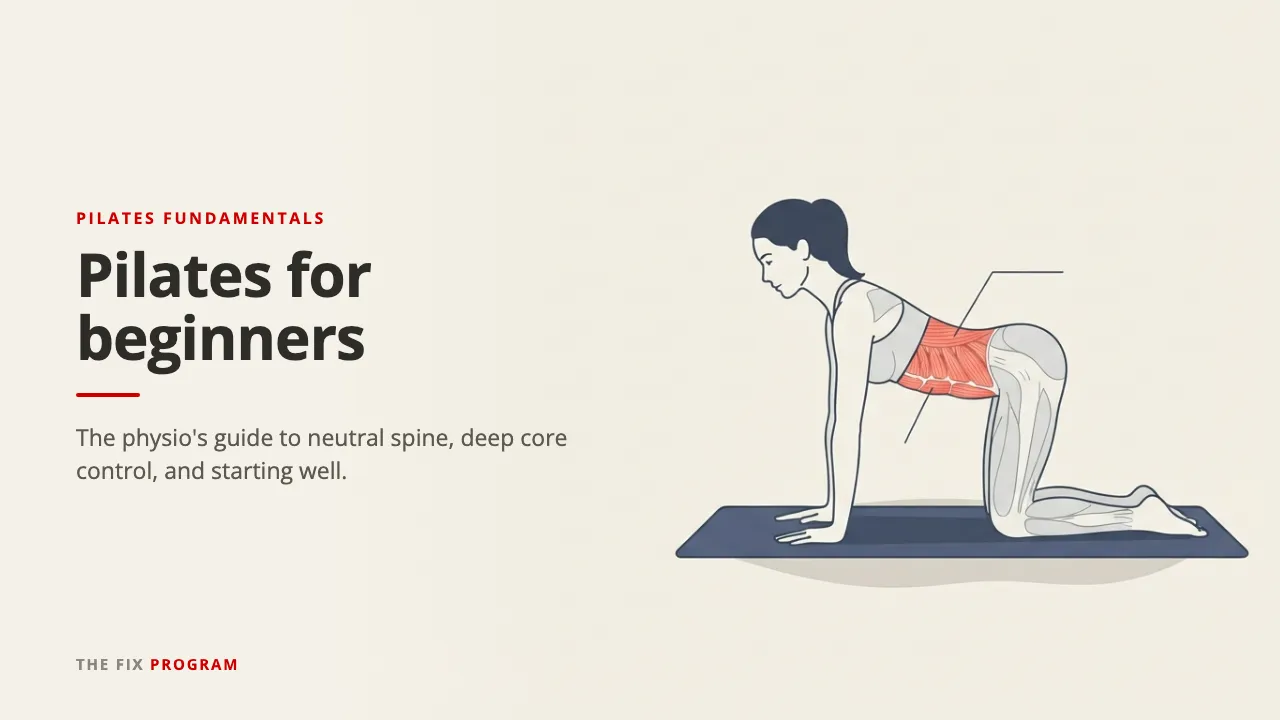
Stabilising muscles are the deeper, smaller ones that hold everything steady while the global muscles do their work. Your deep abdominals, your diaphragm, the rotator cuff at the shoulder, the deep layers of your glutes, the muscles that hold your shoulder blades against your ribcage.
Neither system works properly alone. Global muscles with weak stabilisers produce movement that is powerful but poorly controlled, which is how shoulders and backs get irritated. Strong stabilisers with weak global muscles produce control with nothing behind it.
Where the global muscles are
Lower body
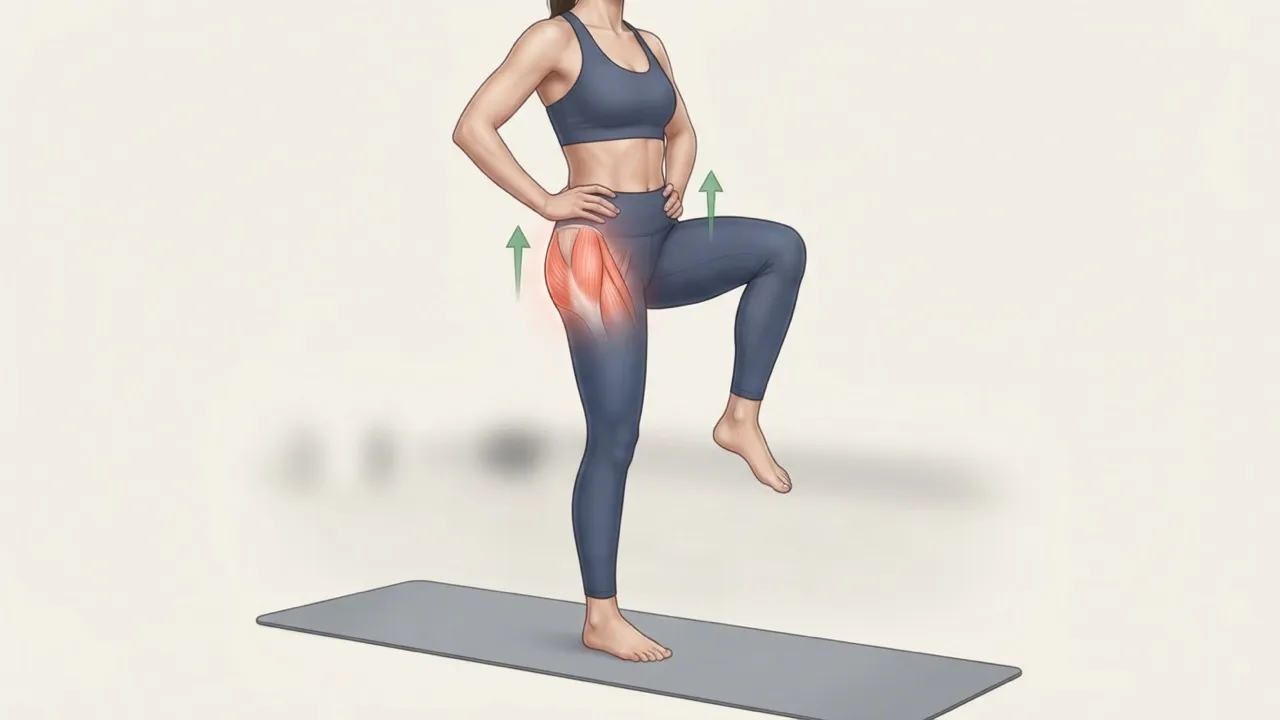
The major movers of the lower body are:
- Quadriceps, at the front of the thigh
- Hamstrings, at the back of the thigh
- Gluteus maximus, the buttock
- Calves, at the back of the lower leg
Between them these handle walking, running, squatting, jumping and getting up out of a chair. They are also the biggest muscles you own, which means training them has the largest effect on your overall strength and on how your body handles sugar in the blood.
Upper body
The upper body movers drive pushing, pulling and lifting:
- Pectoralis major, across the chest
- Deltoids, capping the shoulder
- Latissimus dorsi, the broad sheet across your back
These are the muscles that carry shopping, lift a child, push a door or pull something towards you.
Why it matters how you train them
Training only the big movers is the most common mistake in a home exercise routine. You get stronger at the movement but no better at controlling it, and the joints in between take the strain.
The fix is not complicated. Pair every big movement with something that asks the deeper muscles to hold steady. A squat needs the deep abdominals and glutes keeping your pelvis level. A shoulder press needs the rotator cuff holding the shoulder joint centred. Ten seconds of holding is often worth more than another set of pushing.
That pairing is exactly what Pilates is built around, which is why it changes how you move rather than just how much you can lift.
Put it into practice with our The Global Muscle Groups class — stream it at home, anytime.
New to Pilates? Start with our Pilates Fundamentals tutorials, or read the beginners guide to the sit to stand before tackling the bigger muscle groups.
Prefer to be shown in person? Our clinical Pilates classes in the Sydney CBD studio teach the stabilising half of this properly.