Katrina Tarrant Articles

Exercise in the first 6 weeks after baby

What effect on pelvic floor health does early return to exercise have after having a baby?


There has been a lack of research and evidence backed information about the safe return to exercise after having a baby.  A recent research paper hot off the press this month (May 4, 2020) studied the long term impacts of returning to exercise in the first 6 weeks after birth. The physiotherapy researchers looked at the impacts of early exercise on urinary incontinence and prolapse in new mums 12 months after.

So, does return to exercise in the first 6 weeks of labour have any negative impacts on the pelvic floor 12 months on?

Here were the study’s findings:

  • The exercising group undertook low impact exercise 3 times per week for 30 minutes (such as walking and swimming)
  • The non-exercising group did just that!
  • The strength and endurance of the pelvic floor muscles was no different in the 2 groups of women when tested at 12 months.
  • The reported symptoms of urinary incontinence and prolapse were the same between the 2 groups at 12 months. So, this very early return to low impact exercise did not increase the incidence of incontinence or prolapse at all. 
  • The mums who did report issues with incontinence and prolapse at 12 months were overweight or were workers in physically strenuous occupations involving lifting and manual labour.  

So, what tips can we take home from this study?  

Tip 1. New mums should be encouraged to start general exercise within 6 weeks of giving birth. The importance in the physical and mental wellbeing benefits for new mothers of regular exercise at this time cannot be underestimated.

Tip 2. Exercise in the first 6 weeks should be low impact to not overload the pelvis and pelvic floor muscles after labour. This would include walking and swimming, or gentle mat based exercise.

Tip 3. There is no magical return to exercise guide for a new mum after this first 6 weeks. Each woman is different. Pelvic floor assessment for pelvic floor muscle strength, endurance and prolapse is encouraged for each woman. This, with added consideration of her labour, baby’s weight, her pre-natal fitness, hormonal situation, body type will allow for a safe and pelvic floor appropriate return to exercise of higher impact or load.

Tip 4. If a new mum is overweight or has had a strenuous occupation or activity level in the past, she has a higher chance of urinary incontinence or prolapse. Return to exercise after the initial 6 weeks may need to be adapted and risk factors modified. Again, this is unique to each new mum and a women’s health physiotherapist is the best health professional to guide these mums back to their exercise goals.

So new mums, start your gentle walks, or mat based exercise when you feel ready. But don’t feel the pressure, go when you are ready! Finally, do make sure your women’s health physio has assessed your pelvis and pelvic floor after this 6 weeks to safely guide you to through the next phases of exercise.

Read More

Home exercise resistance band packs

As corona virus has all home exercising, Rebel and Kmart may have run out of small equipment, but we haven’t!

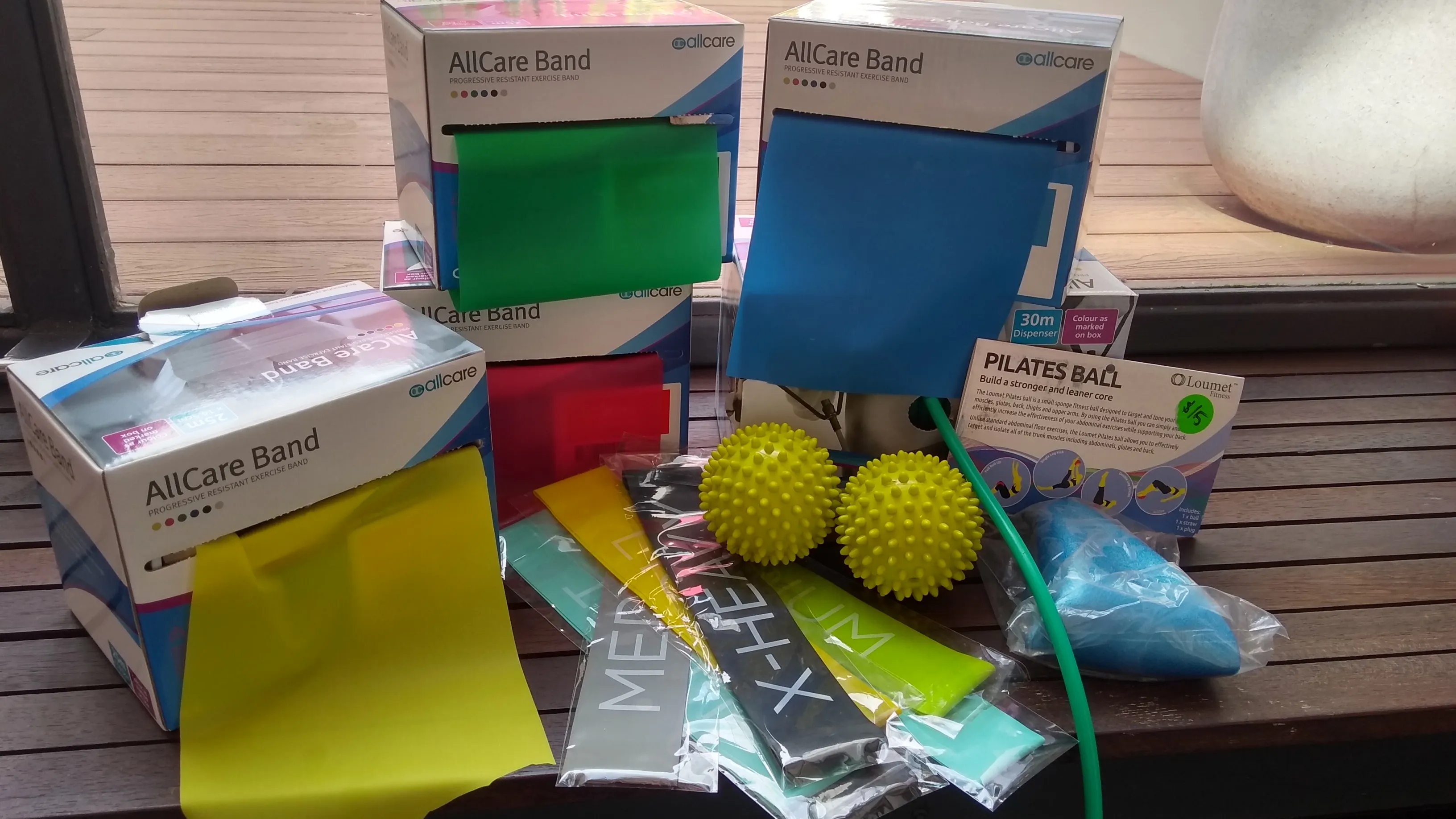
Buy a home exercise pack of resistance bands for only $20. We will even post them out to you! This pack includes:

  • 1.5 metres of theraband tube or band for your shoulder exercises 
  • pre-packaged theraband loop for your knees
  • a spikey ball for self massage and muscle releases

We will help you out with the right level of resistance for you as we know you and your strengths.

Contact us to order now.

Read More

Pre-season preparation prevents poor performance...and injury!

**FIFA “11+”  - a successful preseason drills program
**


It is a proven fact that physical exercise is the best way to prevent diseases and to improve physical and mental well being. The global game football ( or soccer) can boast the widest and greatest participation rates of all sports on the planet. However with all sports like football, the risk of non-contact injuries in both professionals and amateurs is high. Football’s governing body FIFA can boast the successes of their FIFA 11+ preseason program in design, implementation and effectiveness. Since its release in 2010, recent studies have indicated that 11+ has lead to 30 – 50% reduction in injuries on the football field.

Perfect preseason preparation certainly has proven better performance in this instant!

The 11+, was designed to replace the usual warm-up typical in soccer players until that point in time ( static stretches, jogging, ball skills) and for use in preseason training, in season training and even warmups prior to every match. According to a study published by The British Journal of Sports Medicine in 2008, teams that completed the 11+ at least twice a week had 37% fewer training injuries and 29% fewer match injuries. 

 Why has the program worked?

The 11+ program includes 15 exercises in total, which are divided in 3 parts. The exercises are easy, fun, sports specific and only takes 20 minutes to be completed! Appropriate technique during the exercises is the key, paying attention to correct posture and body control, straight leg alignment, knee-over-toe positions and soft landings.This sport specific drilling allows for joints and soft tissues like muscles to adapt and to be primed and ready for the physical demands of football - stopping, starting, turning, jumping, landing, standing on one leg etc. This body training and adaptation ultimately reduces the injury risk.

Gone are the days of static stretching and non sports specific warmups

The FIFA 11+ and other sports drill training should address 3 key elements for effectiveness in an injury prevention program.

  • Core training. Providing excellent functioning of upper or lower extremities, awareness and decreasing the loads in bog joints like the knee, hip or shoulder.
  • Neuromuscular control and balance.  Allowing integration in different aspects of muscle activation, coordination, stabilisation, body posture and balance.
  • Plyometrics and agility. Permitting muscles to reach maximum strength in a very short time, preventing ligament and muscle injuries.

FIFA 11+ is the perfect case study in the “5Ps” for their athletes and programs like this have been developed for many other sports such as AFL, rugby and netball.

**Preseason preparation prevents poor performance. So whether coaching the kids or playing yourself, consider a sports specific drills training program to be your best for the whole season!
**

Recommended preseason links

FIFA11+ https://www.fifa.com/about-fifa/who-we-are/news/the-512937

AFL https://www.coachassist.com.au/pre-season-training-program.aspx

Netball https://www.sportplan.net/s/Netball/fun-fitness.jsp#sessions

Read More

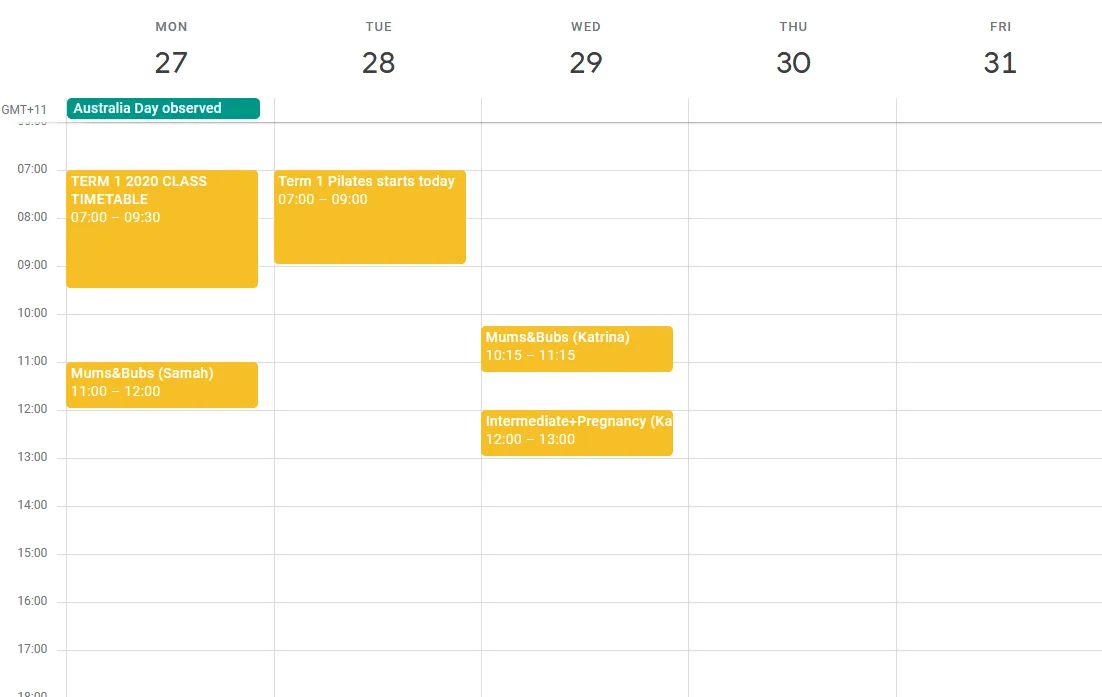
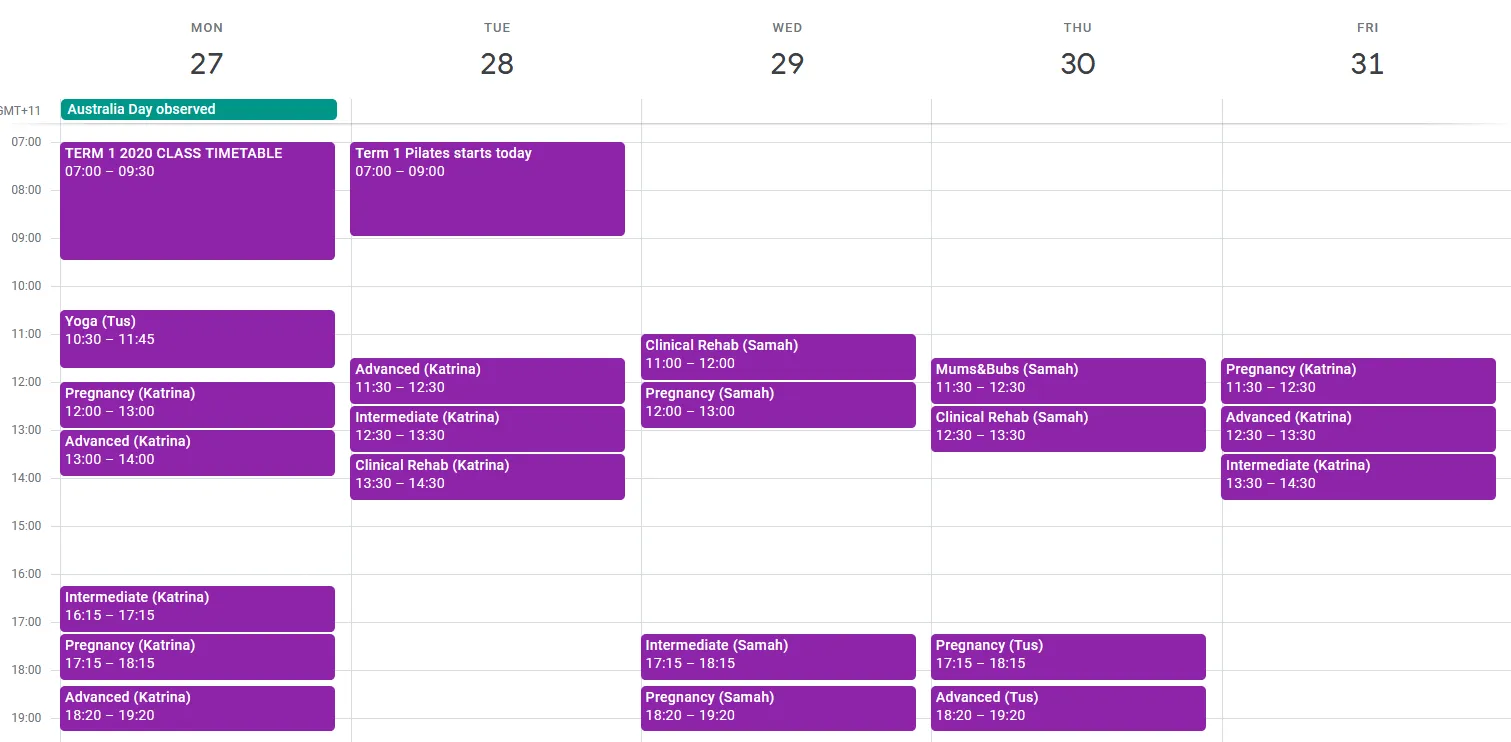
Draft Broadway term 1 2020 Pilates Timetable

Draft ‘term 1 2020’ Pilates timetable is subject to change.

These classes will run for 11 WEEKS in our BROADWAY clinic.

(Note: Those attending classes on a Monday or Friday however, will be enrolled in a 10 week term due to the Australia Day and Good Friday public holidays respectively).

Classes will commence from Tuesday 28th January and end Thursday 9th April 2020.

Classes for this term at our York Street CBD clinic are recommended and scheduled for:

Read More

Draft CBD Term 1 2020 Pilates Timetable

Draft ‘term 1 2020’ Pilates timetable is subject to change.

These classes will run for 11 WEEKS in our YORK STREET CBD clinic.

(Note: Those attending classes on a Monday or Frday however, will be enrolled in a 10 week term due to the Australia Day and Good Friday public holidays respectively).

Classes will commence from Tuesday 28th January and end Thursday 9th April 2020.

Classes for this term at our York Street CBD clinic are recommended and scheduled for:

Read More

High urinary frequency? Incontinence? Pain above the pubic bone or when urinating?

**Interstitial Cystitis: a common pelvic condition
**

By Carrie Seow, women’s health physiotherapist

What is interstitial cystitis (IC)? The word “cystitis” means inflammation of the bladder and “interstitial” refers to the lining of the bladder.  IC is a chronic pain and bladder condition characterized by symptoms such as pelvic pain and frequent urination accompanied by an urgent need urinate, including night time urination. Its prevalence is estimated to be about 1 in 20 people (more common than previously thought) and contrary to popular belief, IC is not exclusively a bladder condition even though symptoms are often urinary related.

How do we diagnose IC?

There is no “test” for IC and it is diagnosed based on symptoms and the exclusion of other conditions such as urinary tract infections or pelvic organ prolapse. The spectrum of IC symptoms include:

  • high urinary frequency, urgency and needing to wee more than 2 times per night
  • urinary hesitancy and decreased flow
  • difficulty fully emptying the bladder
  • bladder pressure
  • incontinence
  • pain felt above the pubic bone
  • pain and/or burning related to urinating
  • chronic pelvic pain
  • lower back, hip, or tailbone pain
  • pain with sex

That is a lot of symptoms! You don’t need to have all the symptoms in the table to be diagnosed with IC but typically there will be a mixture of pain and urinary symptoms.

So what causes IC?

Simply put, the root cause of IC is not yet known. In 10% of IC cases there are Hunner’s lesions in the bladder seen via cystoscopy but 90% of time no visible damage to the bladder can be detected. There are many theories floating around including:

  • Disruption of the bladder lining allows urinate to irritate sensitive structures underneath
  • Disease in the nerves that supply the bladder
  • Potential immune system causes.

However, research has not yet confirmed the cause. It could be multifactorial. But that doesn’t mean the condition can’t be treated. And that is why physiotherapy is important…

How can physiotherapy help with IC?

Physiotherapy for IC is all about breaking the vicious cycle of symptoms that may have been plaguing the sufferer for a long time. Most people don’t know that the bladder has the highest nerve density of any organ in the body. Thankfully, most of these nerves are normally “silent”. But in conditions like IC, they get fired up and start sending lots of messages to the brain, resulting in the need to urgently and frequently urinate. These nerves have become very sensitive to stimulation and it can be difficult to switch them off.

The pelvic floor muscle system is located in close proximity to the bladder and they are linked in function. If you always need to urinate, your pelvic floor is going to be working very hard to hold your bladder all the time, resulting in pelvic floor spasm or hyper-tonicity. The increased activity from the bladder therefore irritates the pelvic floor and vice versa, hence the vicious cycle. This is just one example of the how the nervous system gets “up-regulated” in the body. As pelvic floor physiotherapists, we treat the symptoms and work to break the vicious cycle and calm down the nervous system.

What does physiotherapy involve?

  • Manual therapy – myofascial release, trigger point release of the abdomen, diaphragm, hips, legs and even the pelvic floor
  • Breathing and pelvic floor relaxation exercises to reduce the spasm of these muscles
  • Stretching exercises for the pelvis, abdomen, glutes, pelvic floor and legs
  • Developing good bladder and bowel habits
  • Transcutaneous Electrical Nerve Stimulation
  • Bladder Training

If you think you suffer from IC please get in touch with us to find out how we can help!

Read More

Prolapse

Not such a dirty word.

by Carrie Seow, women’s health physiotherapist


The idea of having a pelvic organ prolapse (POP) can be very daunting and upsetting to most women when they first hear that they may have one. They may feel abnormal, ashamed or the odd one out.  But POP is more common than you think, with approximately 50% of adult women having some degree of it. POP means that the pelvic organs (bladder, uterus or rectum) start to descend or fall downward into the vagina from their usual position higher in the pelvis.

Symptoms of POP can include:

  • Vaginal heaviness or bulging sensation in vagina
  • Dragging in the lower back pain
  • Painful intercourse
  • Reduced control of bladder or bowels
  • Urinary or defecation difficulties

However, it is good to remember, that POP can also be asymptomatic. Yes, the organs may be sitting lower, but there are no symptoms to be felt with this. The degree to which a prolapse bothers a woman (if at all) will be highly based on individual factors.

POP can be caused by pregnancy and childbirth, aging and menopause, obesity, chronic coughing, chronic constipation and heavy lifting. When you think about all the different life stages women go through, it is not surprising that a degree of vaginal laxity is common and quite normal after giving birth, pregnancy or after going through menopause. After-all, the rest of the soft tissues start to sag a little too with gravity, such as our skin, or our breasts! The same is happening within our bodies also.  

Treatment may involve a spectrum of approaches including:

  • doing nothing (some POP is asymptomatic and is unlikely to get any worse depending on lifestyle factors)
  • conservative treatments such as lifestyle modifications, pelvic floor exercises, vaginal pessaries, and oestrogen cream
  • surgical treatment.

It’s always a good idea to get assessed by a women’s health physiotherapist if you suspect that you have a pelvic organ prolapse.

Read More

Prolapse and pessaries

**Pessaries can save the day!
**

by Carrie Seow, women’s health physiotherapist

Prolapse and surgery has been in the news recently with the legal class action in Australia against Johnson&Johnson. With the horrific stories from many women of their pain and suffering after surgical mesh implant treatment of prolapse, surgery sounds like something to well and truly avoid. 

Conservative or non-surgical management of prolapse is very successful and often prevents the need for surgery for women living with pelvic organ prolapse (POP). POP is the term to describe the sitting of a woman’s bladder, uterus or bowel lower in the pelvis than should be. Pregnancy, child birth, menopause, much heavy lifting and age are all factors that can contribute to this very common issue. Did you know that 50% of women have a degree of POP, with many asymptomatic? This sagging of the organs can create pain, incontinence, heaviness and sometimes presentation of the organ outside of the vagina.

Conservative management for POP can include pelvic floor exercises and the prescription of pessaries. Surprisingly, not many women may have heard of these options in managing the symptoms of POP.

What is a pessary?

Pessaries come in different shapes and sizes. They are usually made of silicone, vinyl or latex and are inserted into the vagina (like a tampon) to support the walls of the vagina and uterus and reduce the strain to your pelvic ligaments. They offer support from below your organ to hold it in place. Women will often wear these all day. Some may just wear one for exercise and take it out immediately after. Some new mothers in early post natal weeks, may wish to return to running or other exercise before they have stopped breastfeeding or have full recovery of their pelvic floor strength and control. A pessary allows for a quicker return to exercise as she desires.

Pessaries are very easy to wear and to insert and remove yourself.  Your women’s health physiotherapist will advise you of the type of pessary that would be most beneficial for your condition. Wearing a pessary should be comfortable, in fact you should not even feel that it is there.

What should I expect?

Your women’s health physiotherapist is able to measure and fit you with a pessary if you have a POP.  A pessary fitting consultation will involve finding the correct type and fit of pessary for your anatomy, and often you will need to try more than one pessary to find the right one that works for you. Your pessary can be self-managed – you will be taught how to insert, remove and care for your pessary.

Many women feel an instant improvement in their POP symptoms (heaviness, dragging, lower back pain) and with their bladder, bowel and sexual function by wearing a pessary. Another huge benefit is the confidence that the pessary offers a woman - to return to exercise altogether and to get back to running, jumping or other high intensity / impact exercises without leaking or experiencing pelvic discomfort.

As with all foreign objects that are inserted into the body, there are some risks with wearing pessaries including:

  • Bacterial vaginosis. This is a type of bacterial infection that can be treated with antibiotics.
  • Vaginal erosion. The pressure from the pessary may damage the internal skin of the vagina. This is why finding the correct size is important.

At your fitting and compulsory followup checks, your physiotherapist will discuss with you the relevant risks of wearing pessaries in further detail before fitting one and also advise you of signs and symptoms to watch out for.

Read More

The "Knack" : what is this all about?

A great strategy to protect a leaky bladder!

by Tus Jierasak, women’s health physiotherapist

If you leak urine when you cough, sneeze, skip or run, you might be experiencing what is known as stress urinary incontinence.  To understand why this happens, it is first important to know a bit about why.

Why does leaking happen?

Now the ‘stress’ in stress urinary incontinence is not referring to the stress that we all experience (work and commitments, bills, and the general cost of living in Sydney!).  It actually refers to the downward pressure in your abdominal cavity onto your pelvic floor. With activities like coughing, sneezing and laughing, there is downward pressure from your abdominal cavity onto your pelvic floor, and it is often sudden.

Behind your urethra sits a wall of connective tissue (fascia). Every time you contract your pelvic floor, this tightens that wall of connective tissue.  Most of the time to counteract downward abdominal pressure, your pelvic floor will automatically contract, and tighten the fascia behind your urethra so the urethra closes, and ta-da! No leaking.

But… you might have had a cold or cough for a few weeks which has put a lot of downward load down on your pelvic floor, and weakened it so it now cannot provide enough support up against the downward pressure. And now you might have new symptoms of leaking with a cough or sneeze, when you previously never leaked. Or maybe your pelvic floor contraction is a bit slower and can’t quite lift in time to counteract the downward pressure. There can be a lot of factors that contribute.

So what should I do to stop the leaks?

If you leak (or fear that you might) during activities such as sneezing, coughing or laughing, you should try “The Knack”. This is a pre-emptive, fast and maximal pelvic floor contraction that you do right before coughing, sneezing, or laughing. So let’s take a cough for example. Before you cough, you consciously engage in a fast, 100% pelvic floor contraction, and try to hold this throughout your cough. Have a go right now and test one. It might be a bit harder to hold during multiple coughs or sneezes, or sometimes one might catch you off hand, but the more you practice, the easier it will get, and the more automatic it will become.

But what about when you can’t hold your pelvic floor lifted throughout, like running?

Our pelvic floor is designed to pre-emptively contract during the instant of cough, sneeze or laugh. However, it is not designed to lift and support constantly throughout an activity such as running or skipping where there is intermittent downward pressures on your pelvic floor. This is where us women’s health physios come in, and might suggest something like a pessary for use during your exercise.  A pessary is a little silicone device that comes different shapes, sizes and fits, and sit within the vagina (if fitted correctly, you shouldn’t feel anything), and can do many wonderful things such as providing support for your pelvic organs. For stress urinary incontinence, we use special ones often with a knob that sits can sit against the back of your urethra and provides that firm backstop to prevent leaking.

If you do experience any leaking, come and have a chat with any of our women’s health physios to find out more about what you can do, and for a personalised pelvic floor assessment to see exactly what is going on.  Please know that leaking with activities is common but not normal, and not something you should have to put up with. Don’t feel embarrassed- contact us!

Read More

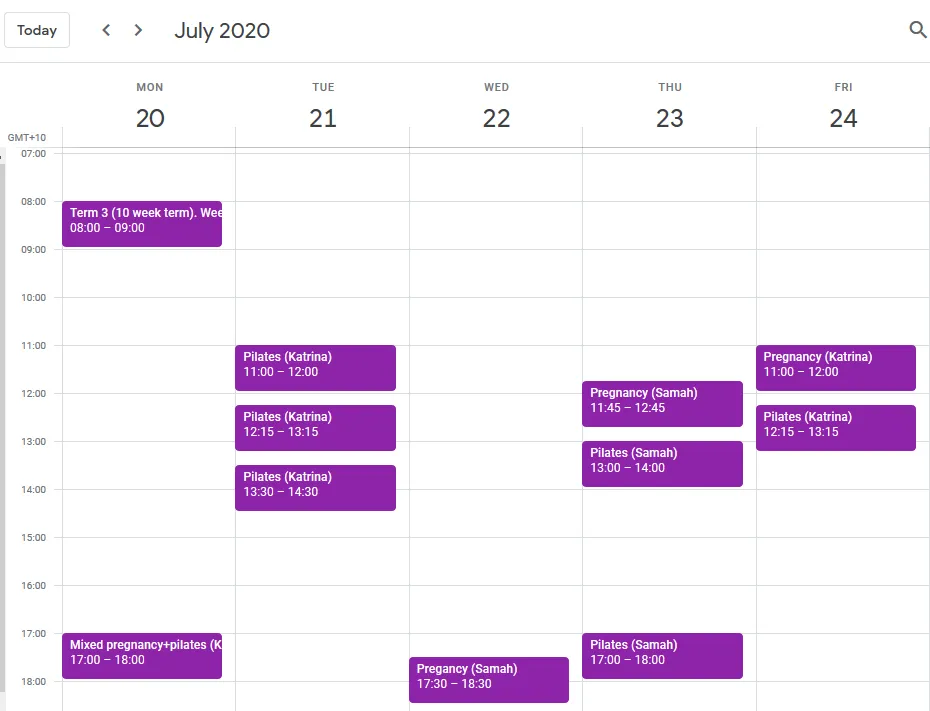
2020 Summer School draft timetable

Draft ‘summer school’ for January 2020. Timetable is subject to change.

These classes will run for 3 WEEKS in our Sydney CBD and Broadway clinics. Classes will **run over the weeks of Monday 6th, 13th and 20th January 2020 .
**

Classes are recommended and scheduled for:

  • Intermediate/advanced  mixed level Pilates for challenging and functional postural control. These classes are suitable for our existing Pilates clientele currently attending our clinical rehab, intermediate or advanced classes in 2019.
  • Pregnancy specific Pilates. These classes are suitable for our existing pregnancy Pilates clientele currently attending our classes, or have been assessed to be ready for these classes.
  • Mums&bubs Pilates. Safe pelvic floor, belly and postural awareness exercises with bub in tow!

Read More

Showing 10 of 293 articles by Katrina Tarrant

Fix News