The Fix Program Blog

10 Jun 2023 BY Katrina Tarrant POSTED IN Exercise, Physiotherapy

The balance 'complex'

Maintaining balance and preventing falls is a complicated and well-tuned machine. Balance involves a combination of sensory input, muscular control, and coordination. There are many ‘systems’ at play, and all must be in good working order to prevent those falls and to improve movement efficiency as we go about our day (or even if we are a sportsman or woman striving for that extra edge). 

Here are those key systems, keeping us safe on our feet.

  • Vision. Our eyes provide visual cues about our surroundings, allowing us to detect changes in our environment and adjust our balance accordingly.

  • Vestibular System. Located in the inner ear, the vestibular system detects changes in head position and movement, helping us maintain equilibrium.

  • Proprioception. This refers to the body’s ability to sense the position and movement of our limbs. Proprioceptors are found in our muscles, joints, and tendons, providing feedback to the brain about body position and helping us adjust accordingly.

  • Muscular Strength. Strong muscles, particularly in the core, legs, and ankles, play a vital role in maintaining balance. These muscles provide stability and support to keep us upright.

  • Coordination. The ability to coordinate movement and make adjustments in response to sensory information is crucial for balance. This includes the smooth integration of muscles, joints, and sensory systems.

  • Posture. Good posture distributes our body weight evenly, reducing strain on specific areas and helping us maintain balance more effectively.

  • Attention and Concentration. Being mindful of our surroundings and maintaining focus can help us anticipate and react to potential balance disruptions.

  • Adaptive Strategies. When faced with challenging or uneven terrain, our body uses adaptive strategies such as widening our base of support, using handrails, or making quick adjustments to maintain stability.

It is good to know that balance and it’s complex systems can be ‘exercised’ to see improvements. The simple ‘sit to stand’ exercise is a great and easy example of this. Your physiotherapist can offer you many more fun balance exercises if you are struggling and feel you are a little shaky on your feet.

 Photo by Ksenia on Unsplash


What is myofascia?

The magic of our fabulous fascia

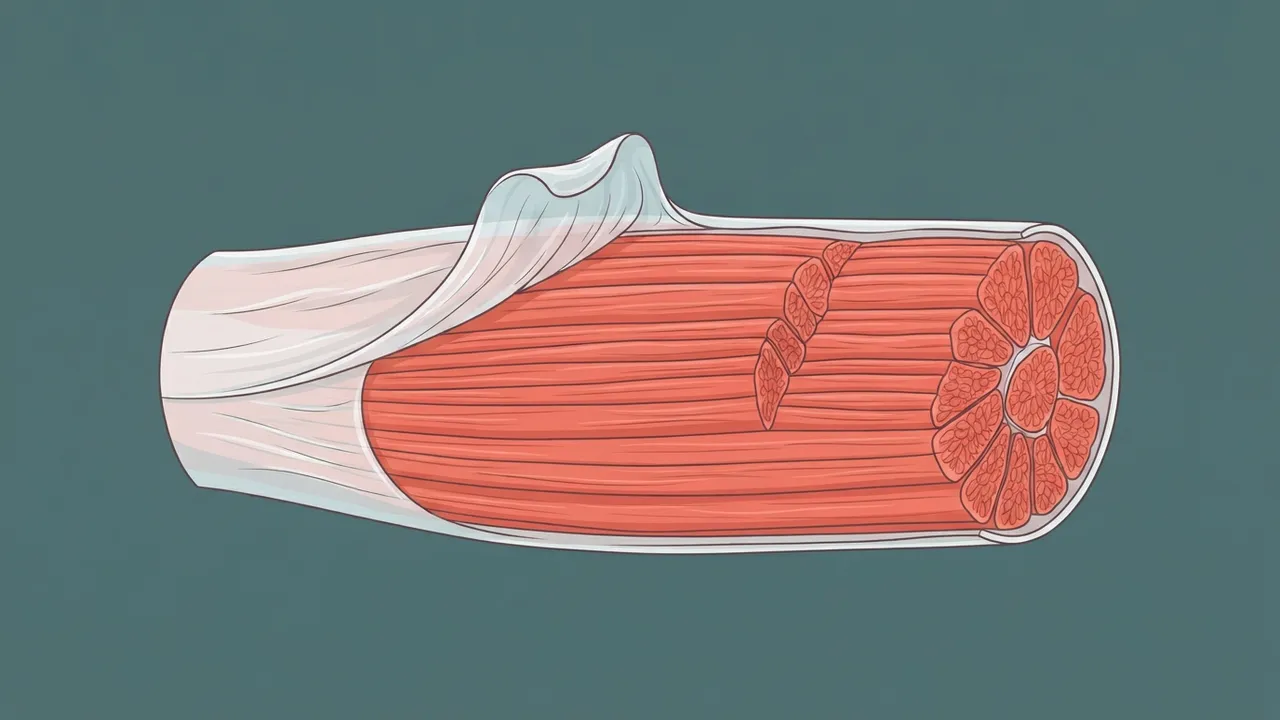
Muscle fascia, also known as fascia or myofascia, refers to a type of connective tissue that surrounds and separates muscles and other structures in the body. It is a fibrous, sheet-like structure composed primarily of collagen, a strong protein that provides support and structure to tissues. It forms a continuous network throughout the body, enveloping muscles, tendons, ligaments, bones, and organs, creating a unified system. Did you know that every single muscle, blood vessel and organ has its own wrap of fascia holding it in place? There is heaps of this stuff in our bodies.  

When we move, our myofascia has to move too. Fascia can become restricted due to various factors like trauma, repetitive stress, inflammation, or poor posture. These restrictions may lead to pain, reduced flexibility, and movement dysfunction. It can be considered that your fascia needs to be flexible and free, for you and your movements to feel flexible and free.

So, why do we have fascia?

  • Structural, joint and postural support. Fascia provides structural integrity to the body, helping to maintain the shape and alignment of muscle, joints and other tissues. You can think of myofascial ‘slings’ that link parts of your body and offer support. A well known one is the posterior sling that connects your lats ( back of your shoulder joints) to the lower back and glutes. 

  • Force transmission. Fascia acts as a conduit for transmitting forces generated by muscles to other parts of the body, allowing coordinated movement.

  • Protection. Fascia protects underlying structures, such as muscles,organs, blood vessels, and nerves, from external impact and friction by wrapping around them.

Techniques like myofascial release ( a specialised modality of massage), massage, and stretching are commonly used to address fascial restrictions and restore optimal tissue function.


23 May 2023 BY Katrina Tarrant POSTED IN Exercise, Physiotherapy

Osteoarthritis of the knees : tired old knees anyone?

Your physio comes to the rescue in osteoarthritis!

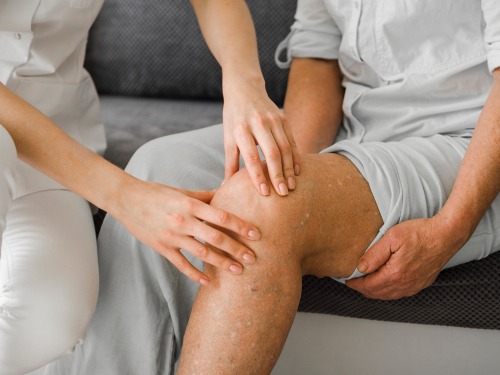
Physiotherapists play a crucial role in managing osteoarthritis of the knee. Based on self-reported data from the most recent Australian Bureau of Statistics National Health Survey (2022), 1.8 million Australians (8%) reported having osteoarthritis, with knees and hips the most affected joints.

Reach out to your amazing physio to help you manage your pain that comes with osteoarthritis. Here’s a little of what we may do:

  • Assessment and Evaluation. Physios evaluate the individual’s specific condition, including the severity of osteoarthritis, joint mobility, muscle strength, and functional limitations. They assess the person’s movement patterns, posture, and overall physical fitness.

  • Customized Treatment Plan. Based on the assessment, physios develop a personalized treatment plan that addresses the individual’s specific needs and goals.

  • Exercise Prescription. Physios can prescribe specific exercises to strengthen the muscles around the knee joint, improve joint stability, and enhance flexibility. These exercises can help alleviate pain, improve range of motion, and optimize overall function. They may include activities like range-of-motion exercises, strengthening exercises, low-impact aerobic exercises, and balance training.

  • Manual Therapy. Physios may use manual therapy techniques, such as joint mobilization or soft tissue mobilization, to improve joint mobility, reduce pain, and enhance tissue flexibility. These hands-on techniques can help alleviate stiffness, increase circulation, and improve overall joint function.

  • Education and Self-Management. Physios are great at educating individuals about their condition, teaching them about joint protection techniques, proper body mechanics, and strategies to manage pain. They provide guidance on incorporating physical activity into daily routines, ensuring proper technique and avoiding activities that may exacerbate symptoms.

  • Assistive Device Prescription. Physios may recommend and provide instruction on the use of assistive devices, such as braces, crutches, or walkers, to support the knee joint, relieve pain, and improve mobility.

  • Monitoring and Progression. Physios will closely monitor the individual’s progress throughout the treatment process. They adjust the treatment plan as needed, gradually progressing exercises and activities to ensure continued improvement and prevent setbacks.

 Image by Freepik


Visualising the sacro-iliac joint


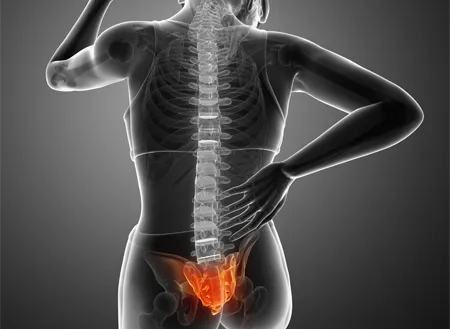
The sacroiliac joint is a vital component of the human skeletal system, connecting the sacrum (the triangular bone at the base of the spine) to the ilium (part of the pelvic bone). It is often referred to as the SIJ ( sacroiliac joint). It serves a crucial role in transferring forces between the upper body and lower extremities, providing stability and facilitating movement. It is a complex joint, and can create issues in us all, from women in pregnancy and post natal days, sportsmen and women, runners, and those with lower back or lumbar issues. IT has been reported that up to 70% of those suffering from persistent lower back pain will have some element of their pain stemming additionally from the SIJ.  

As the SIJ is a huge weight transfer ‘station’ for loads passing  from our lower extremities to our trunks, the joint is reinforced by many strong ligaments and surrounded by muscles that help support the pelvis and spine.

These reinforcements give the joint incredible stability to cope with the transmission of upper body weight and forces from the spine to the lower extremities during activities such as walking, running, and lifting. It absorbs shock and redistributes forces, ensuring efficient movement and minimizing stress on other joints.

Despite this stability, the SIJ is prone to dysfunction and pain. Injuries, arthritis, pregnancy, or imbalances in the surrounding muscles can lead to dysfunction of this joint, causing pain in the lower back, buttocks, or legs. Diagnosis and treatment of SIJ issues often involve a combination of physiotherapy and exercise. Long rehabilitation programs are often required to improve the muscular support and stability of this very important joint. These programs need to be sport specific, or tailored to each individual’s needs and can include core stability, pelvic alignment exercises, postural stability and gluteal strength.


Pilates 101: Visualising the sacrum

“Anchor through your tailbone when you are on the mat”

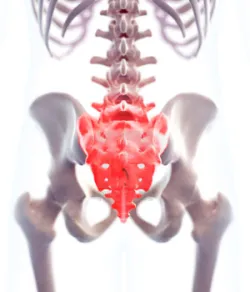
This Pilates cue is a common one when it comes to ensuring your alignment and control of your ‘pelvis and spinal neutral’ postures in class. This is especially so when testing your deep abdominal strength in exercises such as table top. But what does this ‘tailbone’ actually look like? It is anatomically called the sacrum and may not look like what you imagine.

I often get asked about the coccyx with reference to this Pilates cue. When you study this image, you can see that your coccyx is just the tiny bone on the end of the sacrum. it is not through this that you find or control your ‘pelvis neutral’ of ‘heavy tailbone.’   

The sacrum articulates with the iliums of the pelvis on each side. These 2 joints are called the sacro-iliac joints ( you have a left one and a right one), and these are crucial role in providing stability, transmitting forces, and facilitating movement between the upper body and lower extremities.


15 May 2023 BY Katrina Tarrant POSTED IN Exercise, Physiotherapy

Lubricate to show your love...

For your joints, that is!

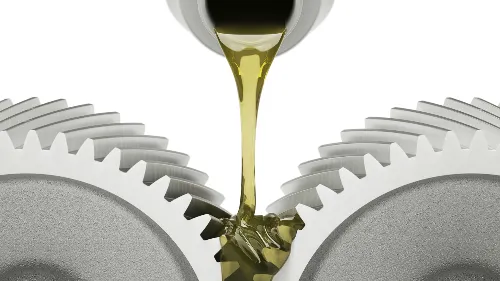
Synovial cells play a crucial role in joint lubrication. Found in the synovial membrane deep around your joints, these cells secrete a fluid called synovial fluid, which serves as a lubricant and shock absorber within the joint space. Synovial fluid has a viscous consistency and contains substances like hyaluronic acid and lubricin. They:

  • provide both lubrication and nourishment to the articular cartilage
  • reduce friction between the joint surfaces during movement.
  • minimize wear and tear on the joint
  • remove waste products from the joint
  • provide nutrients to the surrounding structures deep within the joint
  • ensure optimal joint function.

Did you know?

Your synovial cells become stimulated primarily via mechanical stress or movement of the joint. When the joint is actively used, the synovial cells respond to the mechanical forces exerted on them, triggering increased production and secretion of synovial fluid. Physical activity and exercise, therefore, play a crucial role in stimulating synovial cells and promoting joint lubrication.

If suffering from joint stiffness, or osteoarthritis, movement is critical to slow the progress of the degenerative process. Finding the right balance between movement, strength and minimal joint aggravation (pain and swelling) is the focus here, and your physio will know the best.

You know what we always say? Motion is the lotion baby!


5 May 2023 BY Katrina Tarrant POSTED IN Exercise, Physiotherapy

Osteoarthritis : Aging joints on film

You say arthrosis, I say arthritis.


X-ray and scan reports can be filled with some scary looking words to those not medically trained. Within these report notes, you may find complex, unfamiliar medical terms or phrases that make it difficult to decipher your results. Let’s break a few common ones down and demonstrate that they are not as nasty as you may first think.

  • Arthrosis, also known as osteoarthritis, is a degenerative joint disease that affects the cartilage, a protective tissue between bones. It is the most common form of arthritis. Arthrosis occurs when the cartilage gradually wears away, causing pain, stiffness, and reduced mobility in the affected joint. Risk factors include age, genetics, obesity, joint overuse, and previous joint injuries. While any joint can be affected, arthrosis commonly affects the knees, hips, hands, and spine.

  • Osteophytes, also known as bone spurs, are bony outgrowths that can develop in response to arthrosis or other conditions that cause joint damage. They often form at the edges of affected joints where cartilage has deteriorated. Osteophytes are the body’s attempt to stabilize the joint and compensate for the lost cartilage. However, they can also contribute to pain and further joint damage by interfering with joint movement or compressing nearby structures.

  • Cortical thickening refers to an increase in the thickness of the outer layer of bone, known as the cortical bone. It can occur as a response to various factors, including repetitive stress, inflammation, and certain medical conditions. Cortical thickening is often observed in conditions such as osteoarthritis and osteoporosis, where the bone undergoes remodeling. This thickening can provide added strength and support to the affected bone, but in some cases, excessive cortical thickening can lead to structural abnormalities and compromise bone health.

  • Exit foraminal narrowing refers to the narrowing of the exit space through which nerves exit the spinal column. It is commonly associated with degenerative changes in the spine, such as spinal stenosis or herniated discs. When the exit foramina narrow, it can compress the spinal nerves, leading to pain, numbness, tingling, and weakness in the corresponding area of the body.

  • Bony oedema, refers to the accumulation of excess fluid within the bone marrow. It is often associated with various conditions, such as trauma, infection, or inflammation, including conditions like osteoarthritis or stress fractures. Bony edema can be seen on imaging studies and may indicate an underlying pathology. It is typically accompanied by pain, swelling, and tenderness in the affected area.

These are but a few of the big scary words that are often just there to explain the natural process of joint aging in us all. My advice when it comes to these reports?  Don’t be afraid to ask your friendly GP or physio to sit and take the time to  explain your results better. After all, it is your joint they are busy peering at!


Osteoarthritis : a normal process of aging

Osteoarthritis is commonly considered a normal part of the aging process due to several reasons. Why? And why are some of us more prone to this process?

  • Firstly, the prevalence of osteoarthritis increases with age. As we grow older, the wear and tear on our joints accumulate over time, leading to the degeneration of the cartilage that cushions the joints. This gradual breakdown is a natural consequence of the stresses and strains our bodies experience throughout a lifetime of movement. Put simply, the thinning and wearing of the cartilage is a sign of a well used joint, and not much else. (Like my big toe joint from flexing to it get to the ground to correct my Pilates students!)

  • Secondly, the molecular and cellular mechanisms involved in osteoarthritis development align with the aging process. The ability of cartilage to repair itself diminishes with age, as the production of new cartilage cells slows down, and the existing cells become less efficient at maintaining the structural integrity of the joint.

  • Other factors such as genetics, obesity, joint injuries, and certain occupations can contribute to the development of osteoarthritis. These factors tend to accumulate over time, making the likelihood of osteoarthritis higher as individuals age.

If osteoarthritis is a normal part of aging, why are we all affected differently?

While osteoarthritis is considered a normal part of aging, it does not mean that everyone will experience it or that its impact cannot be managed. It comes down to our lifestyles and our genes. Lifestyle modifications, exercise, weight management, and appropriate medical interventions can help alleviate symptoms and slow down the progression of the disease.


22 Apr 2023 BY Katrina Tarrant POSTED IN Exercise, Physiotherapy

Osteoblasts : go, you good things!

Growth bone cells to the rescue.

Isn’t it crazy to think that your bones are constantly changing? Always in a state of flux. It is the battle of good vs evil, with the osteoblasts  battling against the osteoclasts.   

High-impact exercise, such as running and jumping, increases osteoblastic bone cell activity due to the mechanical strain and loading placed on the bones. When bones are subjected to high-impact activities, the mechanical forces stimulate osteoblasts, which are responsible for bone formation and mineralization.

The strain and loading experienced during high-impact exercise create micro-damage in the bones. In response, osteoblasts become activated to initiate the repair process. These cells start depositing new bone tissue at the sites of damage, reinforcing the bone and making it stronger. Furthermore, high-impact exercise triggers the release of growth factors and hormones, such as insulin-like growth factor (IGF-1) and estrogen, which also enhance osteoblastic activity. These factors promote the proliferation and differentiation of osteoblasts, accelerating bone formation.

Consistent high-impact exercise over time leads to a cumulative effect on bone remodeling. The increased osteoblastic activity results in a higher rate of bone turnover, leading to the replacement of old or damaged bone with new, stronger bone tissue.The increased osteoblastic activity stimulated by high-impact exercise helps to maintain bone density, prevent osteoporosis, and reduce the risk of fractures, particularly in postmenopausal women and older adults.

Make it simple.

Here are 3 easy ways to get your osteoblasts raring into action:

  • Pogo jumping up and down on the spot. Try this for 1 minute each day. Too easy? Try pogo hopping instead.

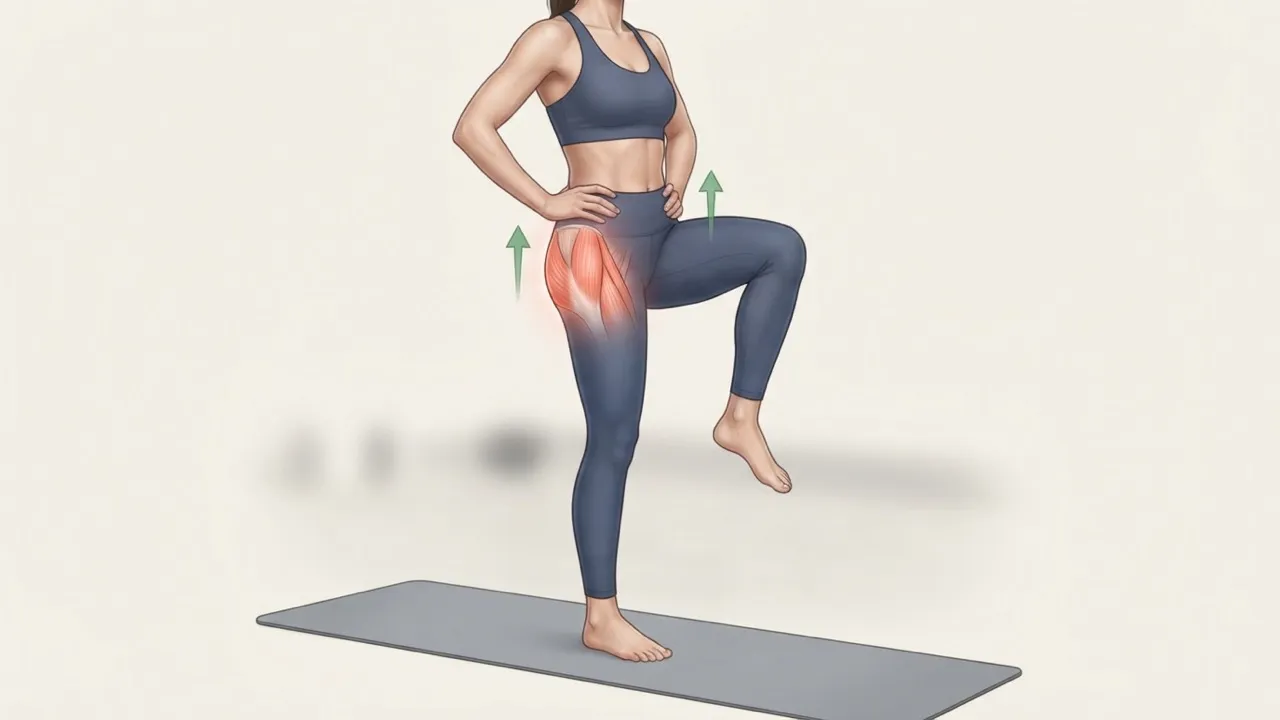
  • Step ups, with a deliberate stomping action. Step downs with a stomp can pack a punch too. Try this for 1 minute each day on the bottom step of any set of stairs. Use the rail if your balance needs a little support.

  • Wearing a weighted backpack for the above exercises will increase the impact and bone response even more. Pop a couple of hand weights or plates in a strong backpack, secured firmly on your back. Your osteoblasts will rise to the occasion!

So, in the war of osteoblasts vs osteoclasts in strong and healthy bones, we really need to get our little bone making cells stimulated. It is up to us to make that happen and to prevent aging conditions such as osteoperosis.


13 Apr 2023 BY Katrina Tarrant POSTED IN Exercise, Physiotherapy

Load your tendons to beat tendinopathy

Tendonitis and tendinopathy are a common complaint seen within the physio clinic. Tendons can get all angry with you if you load them up too fast or too soon ( think training for only 2 weeks before the City to Surf and then hitting that race day a little under prepared), if you do not allow enough rest between exercise, or even if your postures are not ideal and joint alignments not too flash. Age, and for women, menopause, can all be factors that cause our tendons to become inflamed.    

But don’t despair, that Achilles tendon, rotator cuff shoulder tendon, tennis elbow tendon or knee cap tendon can all adapt back to being strong, not inflamed and ready for the work you wish to put though them. This is called tissue adaptation, and it is what keeps our bodies sometimes breaking down, but then allowing for healing too.  

The vicious cycle

“Why, in the first place did my tendon go all silly on me?”

“OK, if I rest from that triggering activity, will it get better?”

“Sure, but if it is only rest you do and you go back to the same triggering activity, what do you think may happen?”

“Hmm, I see a cycle developing here.”

Tissues, like your tendons, need to withstand the pulling and tensile forces you put though them. If they are overwhelmed and cannot, then trouble starts a-brewing. To improve their ability to withstand these forces, you must stimulate them to become stronger, to thicken, to be able to absorb the forces. We want and need them to adapt, and to do this, you must challenge them. And yes, this means exercise, and even when they are still inflamed and you are ‘resting’ from the triggering activity.

The right kind of tissue adaptation

So, what is the right exercise to do when your tendon needs strengthening but is also going through a rough patch of inflammation? Tendon loading! Your amazing physiotherapist should know all about this and would be there to set you up on a targeted program just for you and your unhappy tendon. However, here are the basics:

  • When you exercise a muscle, you also exercise it’s tendon. By targeting the muscle very specifically, mindfully and with a few little rules, you can achieve a stronger tendon while you are resting from your sport and any chance of ongoing inflammation.

  • Exercising an inflamed tendon, may make it hurt a little, but this is often what we are after. What?? A little pain at the time, with no lingering issues or inability to go about your usual daily activities is perfectly acceptable. We use the pain scale out of 10 for this one, and would recommend that pain levels with your tendon loading exercises of up to 3/10 is OK. Anything more, or if it’s stirred up for days after, then, yep, the tendon is not happy with its little workout. It often takes a little adjusting of your exercises to get it right.

  • Exercise to fatigue. When you are isolating a muscle like you do with these tendon exercises, we want you to achieve that burn, quiver, or “I just can’t do another rep” feeling in the muscle. Playing around with the weight or load you have for your contractions help you to reach this point without having to do 200 reps!

  • Slow controlled movements work best. Really demanding a long ‘time under tension’ of your tendon will yield great results, especially in the eccentric or lowering phases of your movement with gravity.

  • Offer a progressive strengthening program, increasing the weights as weeks tick by and fatigue is harder to reach. Do keep in mind the 3/10 pain levels here. You do not want to go backwards. However, on a positive note, healing will take 6-8 weeks, and inflammation levels will be decreasing if you are dong everything right.

  • Offer a graduated return to sport and that triggering activity. Have you tried some sport specific activity that tests the tendon, but not as a full blown 2 hours tennis match with your tennis nemesis? Go for a hit up against the wall for 10 minutes, softer shots, not as long a time to stress your tendon. How did it go? How was the tendon soreness after? All good? Increase your time at the wall. Same goes for a return to running with an Achilles, patella or hamstring tendinopathy. Jog/walk programs are the best at gradually loading up that tendon that got angry with all your running prior.  

So, don’t let a tendon injury beat you down. There is plenty you can be doing to make it a better and stronger tissue. I bet that this ‘new’ tendon of yours may be even better than the one you had before the injury.


Fix News