Katrina Tarrant Articles

Finding the right running shoe

Surviving the shoe mine field by Julian from Sydney Running Centre

running shoes

The question I have been asked the most over the last 15 years in the running shoe game is “so what’s the best running shoe?” It’s always so difficult to come up with a short answer to this question but I’ll give it a shot……“there is no such thing!”

 Good running shoe manufacturers build their range of shoes based on 2 key areas:

  • Different foot types (such as is the foot high arch, low arch, wide or narrow?)
  • The type of running/training you are doing (is the shoe for road or long distant racing, short fast running, long slow running, walking and so on?)

This means that within the huge range of shoes you will see on shop walls or advertised online, some will suit you down to the ground and others will be completely wrong for you. You cannot choose running shoes based on colour alone! You need to combine information from the 2 key areas mentioned above to help find the right shoe but this can be difficult because how does one know “what’s what” when it comes to running shoes?

A lot of people will search online and read forums and reviews on running shoes. Whilst this can sometimes be helpful, there is a lot of misinformation online about shoes which will often point you in the wrong direction. It is also hard to decipher the information because every brand’s advertising is aimed at convincing consumers that their products are superior to all others.

To find the right shoe…

 At the Sydney Running centre we know which shoes will suit your feet. How do we do it? We will ask questions such as:

  • What kind of exercise will you be doing?
  • What shoes have worked or not worked for you in the past?
  • Are you carrying any injuries or niggles as a result of your exercise?
  • Do you wear orthotics?

We will then have a look at your feet and walking gait to identify the shape of your feet, whether or not you pronate (roll in through your arches), supinate (roll out through your mid-foot) or neither (neutral). With all this info combined we will then recommend some shoes that are in the right category for you -usually 2 or 3 pairs.

The next step is to try them on, lace them up properly and have a walk around – like any shoe they need to feel comfortable to you. A good way to describe the way a shoe should feel is “comfortably firm” this means that you have a feeling of support from the back of the heel through to where the laces end and then enough wiggle room in the toes. “The piggies need to wiggle!”

I’ve found the right pair, but how long will they last now?

Another common question I get asked is “how long should shoes last?” Yet again it’s quite difficult to answer this as people wear shoes out at different rates. The best guideline I can give is this:

  • If you use your shoes 3 times a week or more for exercise that involves impact on hard surfaces you should replace them every 12 months with 18 months being the absolute cut off. A 12 month old pair of running shoes can still be completely intact and have no obvious signs of excessive wear but the likelihood is that the cushioning in the shoe has compressed to a point that it will no longer provide the necessary shock absorption.
  • Some people say they know their shoes are finished because they all of a sudden “feel it” in their knees.
  • Running or walking around in shoes that are worn out is just as detrimental as wearing shoes that are not right for your foot type so it pays to get the right shoes and replace them before they start causing damage.  

sydney running centre

The Sydney Running Centre has been operating in the Edgecliff Centre for over 15 years. Father and Son team Phil and Julian have a wealth of knowledge when it comes to running, walking, shoes and feet.

If you have trouble finding comfortable shoes then pay a visit to the Sydney Running Centre and mention this article to receive a 10% discount off the retail price.

http://www.sydneyrunningcentre.com.au/

Read More

Rheumatoid arthritis, exercise and physiotherapy

When arthritis is rheumatic

  arthritis zones

Last month we talked about the more common osteoarthritis and how the disease presents and is best managed. Osteoarthritis (OA) and rheumatoid arthritis (RA) are very different diseasesand are therefore managed quite differently. They are often confused when speaking about sore joints in the patient and general populations.

The cause of RA is not yet fully understood, although doctors do know that an abnormal response of the immune system plays a leading role in the inflammation and joint damage that occurs – the reasons are not known, but can involve genetics, hormones and the environment. Recent research has shown that people with a specific genetic marker called the HLA have a fivefold greater chance of developing rheumatoid arthritis than do people without the marker and this gene controls the immune response in the body.

Researchers continue to investigate other factors that may play a role, including infectious agents such as bacteria or viruses, female hormones (70 percent of people with RA are women), obesity or in response to stressful events.

The 5 features of rheumatoid arthritis

  • RA is an auto-immune disease. This kind of condition causes the body’s immune system to attack itself. Normally, your immune system makes antibodies that attack bacteria and viruses, helping protect your body against infection. If you have RA, your immune system sends antibodies to the lining of your joints, where instead of attacking harmful bacteria, they attack the tissue surrounding the joint.

  • Doctors and medical research haven’t really found a cause for RA. There has been a link to people who smoke or have a family history of this disease. It is not yet known what triggers the initial attack. Some theories suggest that an infection or a virus may trigger RA, but none of these theories has been proven.

  • RA usually affects the smaller joints, such as those in the hands, feet, neck and wrists. Larger joints such as the hips and knees can also be affected.

  • RA is three times more common in women than in men. This may be due to the effects of oestrogen (a female hormone). Research has suggested that oestrogen may be involved in the development and progression of the condition. However, this has not been conclusively proven. Children can also suffer from RA, called Juvenile Arthritis (JA).

  • RA is characterised by periods of the disease being either dormant or in a time of ‘flare up’. With the joint lining being attacked and all inflamed at these flare up times, there is the presence of hot and swollen joints which are intensely painful to touch and to move. Pain is worst in the morning and can take hours to ease. It actually gets worse with rest and feels better with gentle movement or as the day progresses. RA can also affect the tear ducts, salivary glands the lining of the heart and the lungs, all being very red and sore.

Diagnosing and managing rheumatoid arthritis

In its early stages, RA may resemble other forms of inflammatory arthritis. No single test can confirm RA. To make a proper diagnosis, the rheumatologist will ask questions about personal and family medical history, perform a physical exam and order diagnostic tests. The doctor will examine each joint, looking for tenderness, swelling, warmth and painful or limited movement. The number and pattern of joints affected can also indicate RA, as this type of arthritis tends to affect joints on both sides of the body. This is unlike OA which tends to affect a joint here or there with no particular pattern.

Blood tests are critical to diagnosing RA as inflammation levels and other bio ‘markers’ can be found in bloods which can be used in addition to the other clinical findings to properly conclude that the arthritis is RA. These include rheumatoid factor (RF) or another anti-body (anti-CPP) which have been found in up to 80% and 70% of those with RA respectively.

Finally, investigations such as Xray, MRI or ultrasounds can assist with diagnosis that can show joint erosion, and narrowing or deformity of the affected joints. These scans are not independently conclusive as there can be the presence of RA in some persons without yet any changes to the joints that would show up on scanning.

Unlike OA, the treatment of RA relies heavily on aggressive drug therapy to stop the inflammatory process to put the disease into an ‘inactive’ or ‘remission’ state. The goals of rheumatoid arthritis (RA) treatment are to:

  • Stop inflammation (put disease in remission) as early as possible
  • Relieve symptoms
  • Prevent joint and organ damage
  • Improve physical function and overall well-being
  • Reduce long-term complications.

Drug therapy initially includes anti-inflammatory for symptomatic relief and slowing of the inflammatory process, steroids and disease-modifying anti-rheumatic drugs, some which are also used to treat some cancers.

Non-pharmacological therapies involve a mix of rest in the highly inflamed periods and gentle exercise, stretches and strengthening to support the affected joints in periods when the disease is less active ad pain levels are lower. This is where your friendly physiotherapist would work with the patient, the rheumatologist, the current phase of the disease (active or in remission) to prescribe a specific exercise program. As with OA, the guidelines for exercise for RA are very similar, however with the RA patient, pain, inflammation and flare-ups are a primary concern. The guidelines are:

  • There need to be the right balance between exercise and rest. Too much of the wrong exercise can load up the affected joints more and cause increases in pain, inflammation and long term joint damage. Too much rest and no exercise makes the joints also stiffen and the muscles around to weaken.
  • All joints in the human body require synovial fluid and lubrication to stay mobile. This fluid will be secreted by the cells in your joint with the response to movement. So, move it, or lose it (as they say)!
  • Too much heavy weight bearing exercise such as jogging, jumping, lifting can over load already painful eroded joints. Preventing repetitive joint loading tasks where possible, including kneeling, squatting or heavy lifting
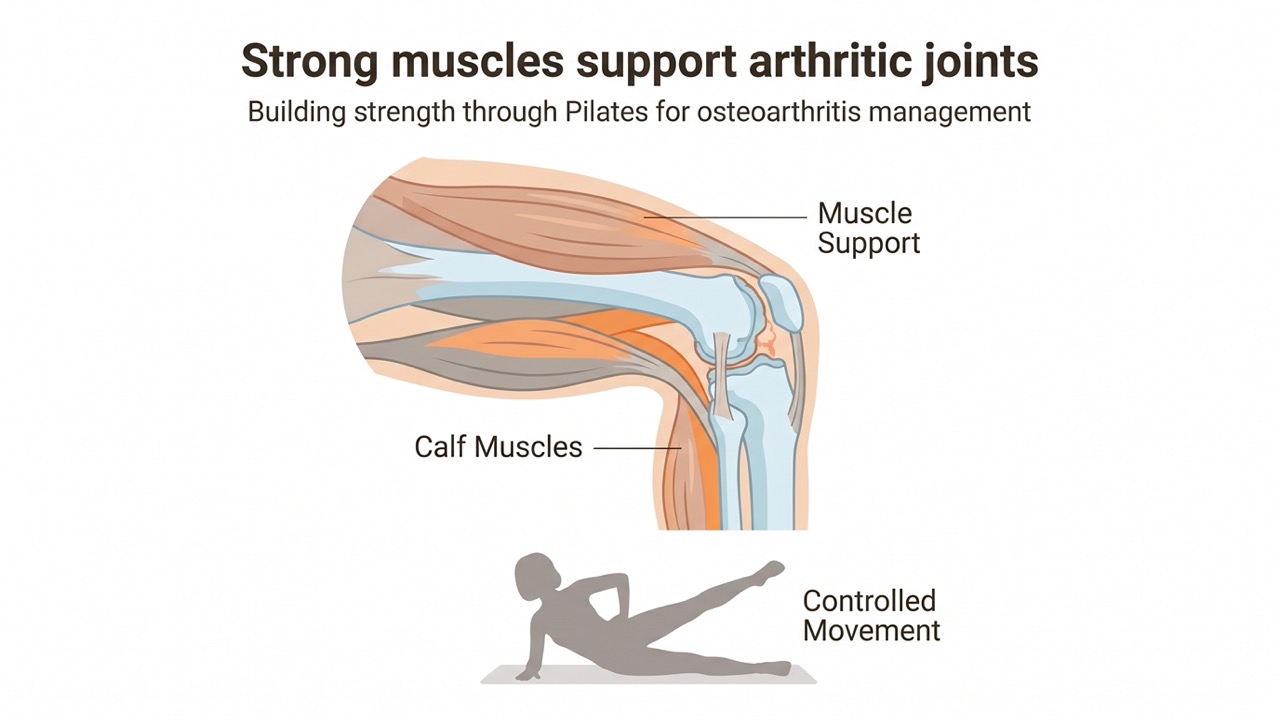
  • Muscular support and strength about the OA joints will make will offer support and shock absorption that would otherwise be transmitted into the painful joint. Good muscle condition is paramount. Pilates could really be a winner here!

Preventing arthritis

Rheumatoid arthritis cannot be prevented as it is an unlucky person who is afflicted with this auto-immune disease. If your joints are painful and there are many afflicted at the same time, referral to a rheumatologist specialised in RA would be recommended.

If you are worried about any joint pain you are having, speak to one of our physiotherapists at The Fix Program.

Read More

The irritable tummy and pelvic pain

Nutritionist Fumi discusses Irritable Bowel Syndrome (IBS) and the role of diet


What is IBS?

IBS stands for Irritable Bowel Syndrome. It is a condition of the digestive system, affecting one in seven Australian adults. IBS is characterised by a variety of uncomfortable symptoms including:

  1. Abdominal pain
  2. Wind (excess)
  3. Constipation and/or diarrhoea
  4. Bloating

What causes IBS?

The cause of IBS is yet unknown, but certain triggers have been identified and these include:

  1. Food intolerance
  2. Poor diet
  3. Stress
  4. Medication
  5. Infection

How do I get diagnosed?

The symptoms of IBS are very similar to other gastrointestinal disorders, such as diverticulitis, inflammatory bowel disease, polyps, Coeliac disease, infection, and certain cancers. Therefore it is vital that you get a proper medical check if you suspect IBS in order to rule out the other possible causes.

A cure for IBS is yet to be developed, so the current primary treatment is to identify and avoid individual triggers. If you suspect dietary triggers, then trialling a low FODMAP diet has shown to significantly improve the unpleasant symptoms of IBS.

What is the Low FODMAP Diet?

FODMAPs are complex sugar/starches found in a variety of foods we eat. It stands for Fermentable Oligosaccharides Disaccharides Monosaccharides And Polyols. These FODMAPs are poorly absorbed in ALL people, however, those with IBS are thought to experience debilitating symptoms due the gut being hypersensitive compared to those without IBS.

The Low FODMAP Diet is the first phase of an investigation strategy. It should be followed for only 2-8 weeks. Subsequent challenges and re-introduction of individual FODMAPs are necessary in order to identify specific individual triggers and tolerance levels.

FODMAPs are in fact vital for health and wellbeing as they feed the good bacteria in the gut and contribute to bowel health. That’s why it’s vital for individuals to find the optimum balance for their FODMAP tolerance instead of sticking to a low FODMA diet life-long. Think of it like an ankle sprain: you give the ankle a few days of rest, then you slowly introduce rehab exercises to strengthen that ankle. That’s what we want to do with dietary management of IBS. You “rest” on the low FODMAP diet, then “rehab” as you proceed through challenges and liberalisation, so that you “strengthen” your tolerance to its optimal level.

Key nutrition solutions

Our Philosophy

Eat better, Get better, and Live better.

Food truly affects your everyday life. Your energy, mood, and performance… they are all affected by what you eat everyday. In today’s society where eating has somehow become the point of judgement and debate, it’s no surprise that people are so confused on what, when and how to eat.  

At Key Nutrition Solutions we like to keep things simple. We understand that each and every one of us has a unique body, lifestyle and nutrition requirements. We’re all different so of course each of us needs a unique plan. Key Nutrition Solutions respects your personal beliefs, lifestyle and life priorities, and we are committed to providing you the best food approach to health.

Our Dietitian

A dietitian. A home-cook. An adventurous foodie and an experienced ballet teacher. That’s Fumi, the directing dietitian at Key Nutrition Solutions. With her knowledge, profession and life-long involvement in food and dance, Fumi will provide you with the latest knowledge, scientifically proven strategies and practical advice to improve your performance, life, and wellbeing.

Fumi has suffered food allergies and intolerance herself, so she understands the pain and challenges you face when it comes to dealing with such “food problems”. She is passionate about helping others that suffer the same, and is always updating her knowledge and practice in this complex area of food and body interaction, so you are assured you get all the professional support you need.

http://www.keynutritionsolutions.com.au/

Read More

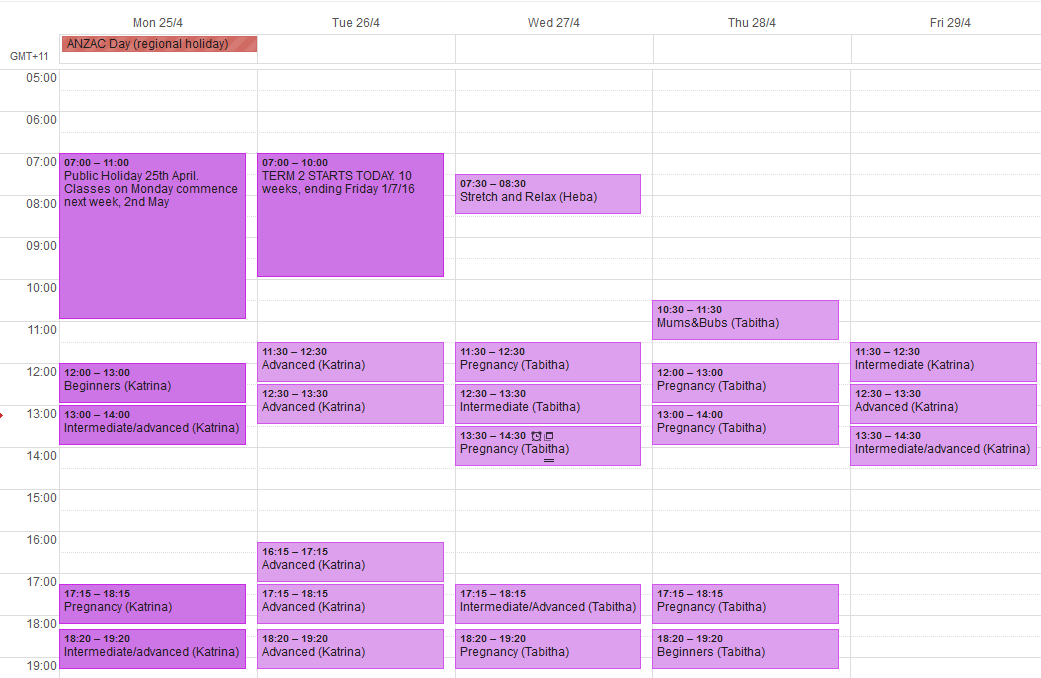
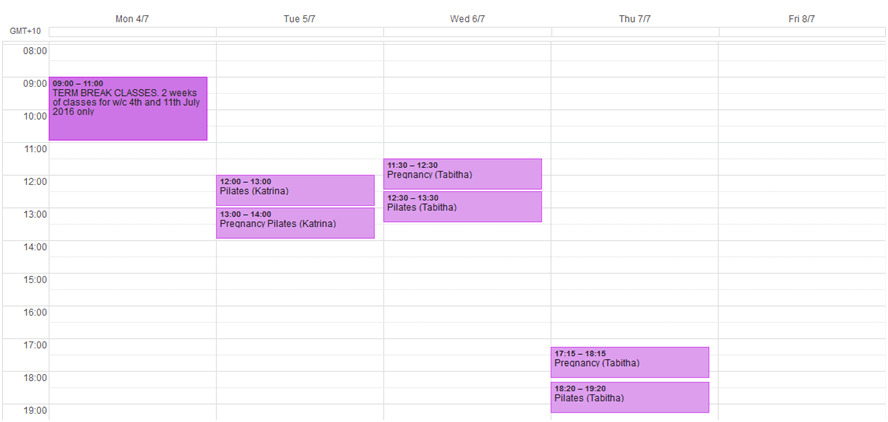
Draft Pilates Timetable for Term 2 2016

The draft timetable may be subject to change. This is a 10 week term of classes, running from the week commencing Monday 25th April and ending week commencing 27th June, 2016.

Please note that there will be NO classes on Mondays 25th April and 13th June due to public holidays. Monday’s classes will therefore run as a shorter 8 week term. Payment will reflect this accordingly. 

Classes available for

Read More

Osteoarthritis and Pilates

Clearing the confusion around arthritis

As a physiotherapist, I am always explaining the differences between osteo and rheumatoid arthritis. There is a common misconception that they are the same disease, however, they are very different.

When reading through X-Ray or MRI reports together with my patients, this discussion about the differing arthritis conditions typically arises. These scan reports speak of ‘degenerative changes’, ‘bony spurring’, ‘osteophytes’, and ‘osteoarthrosis.’ These words all sound a little scary, don’t they? However, it is often said that if each person over 40 were scanned from head to toe, there would be these changes in every one of these people in at least one of their joints. It really is a natural part of aging and shouldn’t be viewed as a catastrophe!

Practitioners, doctors and those with these X-ray changes should really look to the associated symptoms felt at these affected joints (if there are even any?) before rushing to blaming these findings as the cause of pain and dysfunction. Often investigations such as scans like these can show the presence of ‘degenerative changes’ but without any associated pain or other symptom. Scans really should be read and used with caution for this very reason.

Let’s look in more depth at the main characteristics of osteoarthritis (OA) this month. In our next newsletter, we will explore rheumatoid arthritis (RA).

The 5 features of osteoarthritis.

  • OA is the most prevalent type of arthritis with a report from the Australian government from December 2015 reporting that self-reported OA is as high as 1 in 13 Australians. Of these, every 2 in 3 are female. It is not at all common in children and comes with ages over 40.

  • OA is also known as the ‘wear and tear’ arthritis or degenerative joint disease. It is mostly found in the fingers, thumb, big toe, lumbar spine, hips and knees. It is most painful and symptomatic in the hips and knees. When someone is off to have their knee and/or hip joint replaced, they are typically receiving new stainless steel or titanium joints to replace their old worn out ones from the degenerative process of OA. The before mentioned Australian government report states that there was a 32% rise in total knee replacements from 2004 to 2014.

  • OA is caused by the slow breakdown or erosion of the cartilage which lines our joints. This cartilage acts as a cushioning between the 2 bones making up a joint. The cartilage allows for the smooth sliding of one joint surface over the other as we move and can absorb impact and pressures like a shock absorber. If a joint is used too much or has excessive loading such as with some repetitive movements of sport or from carrying too much weight, the watery composure of the cartilage breaks down almost to the point of bone rubbing on bone. This stimulates the body to respond, changing the affected joint’s muscle and bone. This is where thickening of the soft tissue or the growth of bone spurs will occur.

  • Bone spurs- also called osteophytes- are the body’s clever response to the bone on bone abnormality of an affected arthritic joint. The exposed bone within the joint can become inflamed and this stimulates further bone to grow around the edges of the joint. It can be thought of as the body trying to increase the surface area of the joint to spread the pressures and stresses across a greater area. Unfortunately, some osteophytes can cause problems, but this is not a blanket norm. In some joints such as the small facet joints on the spine, bony spurring can restrict the space of a nerve canal, causing possible irritation of the nerve. Another problematic spurring of bone can be at the big toe. Generally bone spurs themselves are not problematic, but they are a signal of an underlying problem that often needs to be addressed. They can be documented to help assess the severity of a condition such as arthritis.

  • OA is characterised by stiffness and limited movement in the affected joint. Initially, pain is felt after activity and settles with rest. There may be some stiffness in the morning, but this is mild and lasts less than 30 minutes. As the OA worsens, the joint may become enlarged and tender due to bony spurring. Tis can affect pain free movement and alter the mechanics of good movement across the region, making everyday activities such as walking difficult.

How can exercise like Pilates assist with pain associated with osteoarthritis?

As OA is a ‘wear and tear’ disease that is associated with aging, often is cannot be helped. However, its progression or severity can be altered with a few practices.

Exercise is a well documented management for those suffering from OA. This is a broad statement and to dissect it a little is time well spent. Here are some points to consider:

  • OA needs the right balance between exercise and rest. Too much of the wrong exercise can load up the affected joints more and cause increases in pain and stiffness. Too much rest and no exercise makes the joints also stiffen and the muscles around to weaken.
  • All joints in the human body require synovial fluid and lubrication to stay mobile. This fluid will be secreted by the cells in your joint with the response to movement. So, move it, or lose it ( as they say)!
  • Too much heavy weight bearing exercise such as jogging, jumping, lifting can over load already painful eroded joints. Preventing repetitive joint loading tasks where possible, including kneeling, squatting or heavy lifting
  • Muscular support and strength about the OA joints will make will offer support and shock absorption that would otherwise be transmitted into the painful joint. Good muscle condition is paramount.
  • Exercise will assist in keeping weight controlled and down. There is nothing less a knee, hip or spine likes than carrying about too much weight. Ow!

Confused?

So, for those of you with OA or any painful joint, you need to move, strengthen your muscles but without repetitive excessive loading on your sore joints.

There is still so much choice for you to keep up the exercise. Why not try:

  • Pilates? Controlled, weighted exercise without the repetitive pounding on your joints. And on top of that, improving posture and mindfulness to keep your painful joints well aligned. Well aligned joints will be happy loaded joints.
  • Swimming or aqua-aerobics? Resisted exercise in the pool without the effects of gravity stressing your joints. You’d be surprised with the workout you get with some of the props and equipment that gets used in the pool for these classes.
  • Weights and cardio equipment? A targeted weights program can really build your muscle strength. Speak with a physio about guiding you through the best exercises for your OA. Your physio can work with a trainer to help your program become established without the flare-up of your pain.

Feel free to chat with our physio team if you need guidance and treatment for your painful joints.

Read More

Pilates and the deep core muscles of the pelvis

Picture the cylinder that holds your spine and pelvis strong

We know that visualisation is an amazing learning tool. Picturing a concept or an idea can allow the brain to interpret or reinforce new ideas being learned. Seeing muscles and joints in the body can help you to understand the workings better. It may even have you feel the muscles working better if you can picture them activating. This can be very much so in the deep ‘core muscles’ of the lower trunk and pelvis.

This illustration above may assist you in getting your head around the muscles we are always talking about in your Fix Program classes. These muscles form a part of your body’s postural control system as you go about your day. The very same deep muscles that stop your bones from falling to bits and the cause of our many aches and pains!

In our Pilates classes, you will hear us repetitively saying:

“Breathe in deep and wide, and as you exhale, imagine gently lifting your pelvic floor ( feeling your’ pebble lift from the pond’) and become aware of the front hip bones drawing towards each other”

The ‘cylinder’ of lower trunk support

When looking at the picture above more carefully, and if using your imagination a little, you will see that the 4 sets of muscles make a cylinder-like shape. After looking at these muscles, try to picture a basic cylinder in your mind. Now place the diaphragm on top of your cylinder, the pelvic floor muscular sling on the bottom, and wrap the transverses abdominus ( deepest of the abs) around the rest. This cylinder fills the circumference of the lower half of your trunk, from the lower ribs to the base of the pelvis. Multifidis is another deep postural muscle that ‘laces up’ through the spinal vertebra and completes the picture.

Visualising this muscular cylinder can really help you to ‘find’ and activate your pelvic postural muscles better.

So, now that you can visualise your muscular cylinder, what comes next?

With the cylinder of muscles now pictured better in your brain, you may start to locate, contract and strengthen your ‘core’ even better than you thought. Why not try connecting your cylinder picture with the instructions you hear at class.

  • Breathe in deep and wide”

When looking at the diaphragm sitting at the top of cylinder under your lower rib cage, picture your diaphragm descending downward slightly into your cylinder as you breathe in ‘deep and wide.’ As you exhale the diaphragm moves upwards to its starting position.

  • “As you exhale, lift you pelvic floor as you’d imagine a pebble lifting from a pond”

When picturing the diaphragm ascending as you exhale, you may see now that this creates a vacuum within the cylinder. This region of less pressure makes it easy now for your pelvic floor at the bottom of your cylinder to lift. Do you now understand why we lift the pelvic floor as we exhale? The pelvic floor and diaphragm have a direct relationship with each other. As the diaphragm ascends, so does the pelvic floor. Likewise, as the diaphragm descends as you inhale, so does the pelvic floor. This is the natural pelvic floor-diaphragm rhythm.

  • “Imagine your hip bones drawing together as your deep abdominal activates”

The pelvic floor, transversus abdominus and diaphragm muscles are all interconnected through nerve and fascial (thin tissue between muscles and organs) networks. Muscles connected in this way will contract together and relax together. So, let’s now imagine the circular component of your cylinder.

While your diaphragm and pelvic floor ascend together on your exhale breath, the deep abdominal will slightly draw in, as if tightening a belt gently around the lower cylinder. This apparent tightening will be felt the full circumference of the cylinder in those very aware of their bodies, even around the sides of the waists and in towards the lower back. For others, the feeling will seem heightened at the front of the pelvis between the ‘hip bones’. The slight drawing in of the cylinder can almost have you believe these ‘hip bones’ are being gently pulled towards each other.

Putting it all together

This muscular cylinder is only the beginning of wonderful postural support for your pelvis, spine and body. These muscles work subtlely throughout your day, gently holding your spine and pelvis aligned. For maximum benefit, these muscles need to be trained ‘functionally.’ This means whilst doing other things such as moving, bending, lifting, twisting, walking, running, jumping and even sitting at your desk. There are other muscles all involved here too from upper back and shoulder muscles to spinal muscles, hip muscles and leg muscles, both deep and superficial layers.

So when involved in any of these activities above (which pretty much means all of the time when awake and conscious!), can you imagine your deep muscular cylinder at work? Sitting in there within your pelvis and lower trunk with the involved muscles on each surface all acting in a connected way?

Try it and you may be surprised at your postural alignment, endurance and movement freedom and efficiency.

Read More

Beat the rainy blues with exercise

Is there some truth to feeling moody on wet days?

With all of this rain about the past few days, I’ve personally started feeling a little low. Why is that? Is it the obvious that I just prefer sunshine? Is it that I should be on the beach and feel frustrated that I’m not? Perhaps I simply hate feeling cooped up at home? Or is there actually a physiological explanation for my feeling blue? This got me reading and researching the web on a morning where there was little else to do.

So apparently, day to day weather changes have very little effect on our moods. A 2008 study conducted by Jaap Denissen about the effects of weather on daily mood found that weather fluctuations accounted for very little variance in people’s day-to-day mood. This was a surprising discovery since there are so many observable changes in human behaviour associated with our changes in weather.

This research did show that there was an association between the amounts of sunlight and feeling fatigued. The less sunlight people were exposed to, the more they exhibited depression-like symptoms. The study concluded that in the winter season of the northern hemisphere, as days got shorter, people experienced more feelings of reported fatigue during the day, and also craved more carb-rich foods.

OK, so these past 3 days of wet weather in Sydney town are not really comparable to the northern winters of this study, but perhaps there’s something in there about darker, sunless rainy days?

Another cool study that I found was one from 2013 which looked at aggression and the climate. It found that the more it rained (especially in areas where high rainfall is not expected), the more aggressive people seemed to get. This was also true for higher temperatures. We apparently are all more placated when things are moderate and dry!

In my gloomy-mooded, wet weather internet trawl this morning, one final research paper which interested me and probably gives the best explanation (in my opinion) was a Dutch psychologist’s study of 2011. Klimstra, the author, stated that the impact of weather may really depend on your personality type! Sounds simple and plausible. He grouped his subjects into the 4 ‘weather personality’ types – summer lovers, summer haters, rain haters and those unaffected by weather.

Guess that makes me a ‘rain hater’! (If you’re interested, his definition of a rain hater was one who was “angrier and less happy on days with more precipitation. By comparison, more happy, but less angry, on days with more sunshine and higher temperatures.”)

Defines me perfectly, well today anyway!

The best way to beat low mood

It has been well documented that exercise can alleviate the symptoms of low mood and in low depressive disorders. We can make inferences from these well documented positive effects on our temporary low moods such as with the weather. Beats the opposite –feeling sorry and eating lots of the wrong foods! Haven’t we all been there?

The Beyond Blue initiative on depression states:

Keeping active can help a person stay physically fit and mentally healthy. Research shows that keeping active can:

• help lift mood

• help people get a good night’s sleep

• increase energy levels

• help block negative thoughts and/or distract people from daily worries

• help people feel less alone if they exercise or socialise with others

• increase well-being.’

So in all this rain, get to your gym, to your Fix class, or pop down a mat on the floor at home and exercise! Not only will it kill an hour or more, but it will distract you from that awful rain outside, increase your energy levels, and your feelings of happiness! Get those endorphins pumping.

And what the heck, why not take it to the next level and go out for a walk or run in the rain and pretend you’re 6 years old again!

Read More

Yes, Sitting is Really Bad for You

Some of you may have seen this last week in the Sydney Morning Herald. This newspaper article highlights the effect on our bodies of sitting- scary stuff that effects not only our physical wellbeing, but also our physiological and overall mortality. I have found personally from working with injured workers, that there is a trend in newer offices to incorporate a communal standing work station or two for all to share and utilise throughout the day. This is a great idea and at least a step in the right direction to minimise the detrimental effects of our increasingly sedentary lifestyles. 

Perhaps you will now think twice about those hours sat in front of the TV at the end of your work days.

http://www.smh.com.au/executive-style/management/beware-of-the-chair-20100303-pj4g.html

Thanks to Lou H for the link.

Read More

What is muscle imbalance?

If you have been to a physio with an injury, you would have possibly heard that your ‘muscles are imbalanced’. This imbalance was probably explained to be the cause of the pain you were having- whether it be postural pain, muscular injuries such as a strain or tendonitis, or joint irritation.

So what does this actually mean?

Let’s start by looking at the reasons for pain.

Musculoskeletal pain (ie pain from muscles and joints) occurs in the presence of any nor or a combination of the following issues:

  • Poor or abnormal joint biomechanics, altering the ideal way in which the body’s joint, postures and muscles are to work
  • Abnormal loads trough the tissues (muscles, tendons, ligaments, fascia and the joints), causing them to become fatigued or irritated
  • Abnormal movement patterns, again loading up some structures of your body more than others, causing them to become sore
  • Altered and non ideal muscle activation patterns, again altering the best way we move or hold ourselves

So, how does any of this start?

When you look at a child who is free of pain, and watch them move as they play or sit as they eat, and they have the most stunning poise and posture. They way they move is uninhibited and as it should be. Their posture is held with balance across all of the muscles that need to work to hold their little bodies up. They have not yet been affected by positions of sitting all day like we adults, or sedentary lifestyle or bad postural habits.

You could say that their muscles are ‘balanced.’

As we become accustomed to new ‘learned’ postures that are not ideal, muscles begin to work in altered ways. These slow insidious changes to our body become the new way we hold ourselves- the new habits. Some muscles will begin to work harder or have increased tone and others will become weaker.

You could say that muscles become ‘imbalanced’.

What is muscle tone?

Muscles have a normal state of tension, even at rest. The muscles continuously ‘buzz away’ with a message from the nerves that innervate them. So in reality, the resting state of a muscle still has low activation going on. This tone of muscles is necessary to protect them from sudden injury form stretching, or to help maintain normal posture and support around the joints of the body.

Putting it all together.

The tone of each muscle around each and every joint of the body needs to be balanced for the alignment and movement of the joint to be optimal. In poor posture, in injury, in compensated or adapted movements, this becomes out of whack. Some muscles become spasmed or tight (you could say in ‘high tone’ or ‘over-active’), while other muscles nearby become weak or not activated (you could say in ‘low tone’ or ‘under-active’).

This ‘imbalance’ and can pull a joint into poorer alignment and encourage further weaknesses, less support for the joint, altered movement, stresses, loads and pain.

You could imagine that the tightrope walker with the beautifully balanced pole is your painfree joint with the balance of muscles about all right. He remains centred, balanced, performing at his best.

In the same way, you could imagine the tightrope walker without the balanced pole, with too much pole length pulling him one way and not enough length from the other side to pull him back. This is the painful joint or posture with an imbalanced muscle system supporting it, all overloaded, stressed and painful.

You need your physio

This is where your physio can help you out. They can teach you about restoring the correct muscular balance and muscle tone around your painful joints and postures. You will need to learn to turn off those over active muscles and learn to find and strengthen your underactive ones. You can then achieve that perfect postural support, joint alignment and movement perfection.

Read More

Showing 10 of 293 articles by Katrina Tarrant

Fix News