The Fix Program Blog

9 Jun 2016 BY Tabitha POSTED IN Pregnancy

deQuervain’s Syndrome in new mums

A fancy name for really sore wrists

A new mother’s life is full of changes to mind, body, and routine. One thing that is almost always a shock to the system is the amount of lifting and carrying new mothers suddenly need to do, moving baby from cot to pram to changing table and back again. In some cases a repetitive strain injury called tenosynovitis (or tendonitis) can develop – it is caused by chronic overuse and thickening of the tendons that run down your thumbs. This thickening of both tendon and sheath means painful movement as secondary inflammation sets in. This painful condition is called deQuervain’s Syndrome, though you might have heard of it as ‘Mother’s Wrist’, ‘Mummy Thumb’, or even ‘Washer Woman’s Syndrome!’

What does deQuervain’s feel like?

Those affected will feel pain in the thumb, the side of the wrist and hand, even down into the forearm. There is often also swelling on the thumb side of the wrist, sharp and/or chronic pain when moving the wrist and thumb, and weakness in grip strength in one or both affected hands. Continuing to try and push through the pain, repeating the same movements without treatment, will only make things worse.

Mothers with this pain and inflammation will usually find difficulty with:

  • Twisting of the wrist, like when screwing in a screw or opening a bottle top
  • Holding the thumb away from the palm and fingers, like during typing, playing the piano, even sports like bowling and golf
  • Moving your hands about your wrists, like in sewing or knitting
  • Lifting while gripping, like when pouring from a jug or picking up your baby!

Why have I developed these sore wrists?

Incidence of deQuervain’s syndrome is higher among women in their child bearing and rearing years, especially in pregnancy and in the early postnatal period. It is thought that several factors contribute to this, from repeated lifting of the infant using the thumbs as leverage and tilting the wrists towards the thumb side, to hormonal changes and increased fluid retention.

This movement of the wrist lifting is the cause of the injury and looks much like the way any new mum would pick up her baby repeatedly.

How can a physio help with deQuervain’s?

A physio can assist with managing the inflammation and offering braces and supports for the wrist during the painful time. Afterall, you still need to use your hands and forearms as you continue to care for your bub. Diagnosis of this pain is very simple and can be confirmed with simple feeling of the painful tendons and the Finkelstein test pictured below. You could almost assess yourself to see if you could be suffering from early signs of deQuervain’s by following this simple movement.

If you think your might have deQuervain’s Syndrome, it is very important that you do not ignore it.

Book in with one of our experienced Physiotherapists as soon as you can! We can offer a mix of the following treatments to allow the tendons to begin their healing and to therefore become less painful and inflamed. We can:

  • provide hands-on treatment, and provide you with gentle, targeted exercises that can relieve the pain.
  • most importantly, teach you how to perform your everyday tasks in a less stressful manner, so the strain isn’t repeated over and over, exacerbating the symptoms.
  • prescribe wrist splints for resting the wrist or for allowing movement in a less stressful way to the tendons for your daily activities of looking after your baby.
  • suggest anti-inflammatories to help you manage secondary inflammation and the associated pain, or cold packs applied to the area for 20 minutes a few times per day.

DeQuervain’s Syndrome is something that should be treated right away, and it can be identified quickly and treated relatively hassle-free. So let us know if your thumbs and wrists start to feel different, so we can get you back on track to helping your bub in an easy, pain-free way.


29 May 2016 BY Katrina Tarrant POSTED IN Exercise, Physiotherapy

Switching on your ‘core’ at the gym

It’s not just about ab exercises

As a physio treating a lot of hip, pelvis and back problems, I am always asked about core strength. Most will ask about it with reference to their gym or exercise programs, what is it, how to make it better and specific exercises to challenge it.

I always start with a picture not too dissimilar to this below. We all know that visualisation is an amazing learning tool. Picturing a concept or an idea can allow the brain to learn better. Seeing the deep muscles of the lower trunk and pelvis can help you to understand and even activate them better within your gym routines or even in everyday life.

At the gym.

If you use your imagination a little, the diaphragm, transverses abdominus (the deep ab layer), pelvic floor and multifidis would cover the surfaced of a cylinder - the ‘cylinder or piston of support.’ This muscular cylinder is only the beginning of wonderful postural support for your pelvis, spine and body. They can not only prevent back injury and pain, but also hip pain, knee pain and upper spine issues with posture. And even better, they make your movement more efficient. You will feel stronger.

The subtlety of this cylinder’s effect sometimes takes a lot of practice, and your physio can show you how. But here are some basic tips to get started.

  • Breathe! The diaphragm is the first step in getting your core to switch on. Try to avoid holding your breath with effort and instead, focus on breathing ‘deep and wide’. You should feel a wonderful movement into the base of your ribs with this type of breath and try to aim for soft relaxed shoulders.
  • Pelvic posture awareness! Think of your pelvis as the foundation for your spine. Know also, that if the pelvis is held well, your deep ab layer and your pelvic floor will be working to hold the pelvis there. Brilliant! To help with this, visualize your pelvis is like a deep bowl of water. Try to always keep it level so that it doesn’t spill. Try this as you stand, sit, squat, lunge or at spin class.
  • Become aware of muscles activating. Again, there are quite a few ways to visualise these deep muscles switching on. Could you imagine your activating pelvic floor muscles to be an ‘elevator with doors closing and travelling up to level 1’? Or could you imagine that your deep abdominals activating feel ‘below your navel and between your pelvic hip bones’?

Through your day

Getting to know your core muscle system at the gym can greatly assist you with your everyday postures. Standing to wait for the bus, sitting at your desk, bending over or helping to lift a patient if a nurse. These are all times we may feel back or neck pain, but with a new awareness of your magical deep postural muscles, you may just beat that painful attack.

**Want more help?
**

These tips are just the start.

Contact us. For more assistance in helping you ‘find your core’ for your gym workout, to beat your back and neck pain, to prevent injury and to feel greater movement efficiency, our physios can assess and teach you more about yours.

For Fernwood appointments, call on 8005 2379, or email broadway@fixprogram.com

For York Street appointments, call on 9264 0077, or email sydneycbd@fixprogram.com


19 May 2016 BY Katrina Tarrant POSTED IN Pregnancy, Women's Health

The Fix Program Broadway. Here we come!

We are thrilled to announce a new clinic opening…just for women

The Fix Program Pilates

On June 1st 2016, we will be opening a brand new clinic at Broadway Shopping Centre. We will be located within the beautiful Fernwood Fitness Women’s Gym.

Our passion for the wellness of women will shine on at this new clinic, bringing you all The Fix Program expertise and care that you have been used to at York Street. We will be there with:

  • our physiotherapy services for you. Whether it’s your postural pain or sport-related niggle, with our expert physio’s treating you, we’ve got you covered.
  • our specialised women’s health physiotherapists, managing pelvic floor and physical problems unique to women. Incontinence, pelvic pain, pregnancy related issues, prolapse, and pessary prescription are our forte.
  • our pregnancy physiotherapy services for the best for you and your baby. Helping you through pregnancy with safe and appropriate pregnancy Pilates classes and physiotherapy for pregnancy related pelvic girdle pain, back pain and other aches at this special time.
  • our post natal physiotherapy services with Mums&Bubs Pilates classes, post natal pelvic floor and abdominal separation checks and advice before safely returning to your pre-baby exercise routines.

And this is just the start.

Where are we?

Shop LG03 Broadway Shopping Centre, Corner Francis & Bay Street, Broadway. p: 8005 2379, and the best part…there is 2 hours FREE parking within the shopping centre!

What do I do next if I wish to make an appointment?

Contact us. You don’t need a doctor’s referral to see our physiotherapists. We’ll be happy to chat about your needs.


Physiotherapy, Pilates, pelvic floor health and pregnancy

What makes The Fix Program a wonderful clinic for women?

Since 1999 we have taught thousands of women and men how to strengthen their backs, hips, pelvic floors and abdominals through a mix of Pilates, Yoga and core stability exercises. And yet we offer so much more.

As physiotherapists and women ourselves, we are passionate about the wellness of all women. We are expert clinicians in the diagnosis and management of conditions unique to women at all stages of life.

The active woman.

From niggly backs and hip pain, sore knees and feet, computer necks and headaches, we treat muscle and joint pain to get you back to what you love doing most. Massage, joint re-alignment techniques, postural awareness and exercise prescription are a start to how we achieve this. Education, empowerment and getting to the cause of the injury is our goal.

Incontinence, pelvic pain and painful sex, endometriosis and bowel troubles can also trouble the active woman. Bladder leaks with coughing, laughing, exercising or running is not normal and can be treated. Pain in the pelvis or when having sex is not normal. You do not have put up with it. Our Women’s Health physiotherapists are qualified to help you get back your pelvic floor function.

The pregnant woman.

In pregnancy, we want the best for you and your baby. Pelvic girdle pain, rib pain, back pain and other associated pregnancy aches can all benefit from physiotherapy. Pelvic floor weakness, abdominal separation and safe exercise while pregnant are issues we can help you with. You do not have to stop exercising just because you are pregnant. In fact, the right exercise can help with controlling gestational diabetes, cardiovascular health of mum, control weight gain and protect the spine and pelvis from the big changes seen in pregnancy. A strong body can support your changing posture and prepare you for labour and when baby arrives.

The new mum.

So, now that you have your baby, your body may still not feel quite right. Ongoing back and pelvic pain, upper back pain and pelvic floor issues such as incontinence and sensitivity are very common. When am I safe to exercise and what can I do? How do I bring back my belly separation and pelvic floor strength? Do I have, or am I a prolapse risk? What effect has breastfeeding on my hormones and return to exercise?

New mums are a special bunch and need special care. We can internally assess the pelvic floor function for any weakness or prolapse, manage abdominal separation, pains and aches, and educate and get you back to exercise and feeling in control of your body.

Every Woman.

It is well known that physios can help with muscle and joint injuries, postural pain, alignment and exercise. It is not widely known however that specialised physiotherapists can manage pelvic floor problems. At The Fix Program, we do just this. We can help you if you have:

  • Urinary incontinence or poor bladder control
  • Bowel incontinence and constipation
  • Over active bladder and urge incontinence
  • Pregnancy and post-natal pelvic floor weakness, scarring or pain
  • Vaginal prolapse (also known as pelvic organ prolapse)
  • Painful sex and pelvic pain.

Pelvic floor problems are more common than you think, and it is our mission and passion to get the conversation started. To seek help and to gain back pelvic floor control is life changing and sometimes takes a little bravery. Caring, sensitive and thorough assessment and management for each woman is our focus. We understand that every woman is different.

What do I do next?

Contact us. You don’t need a doctor’s referral to see our physiotherapists. We’ll be happy to chat about your needs.


26 Apr 2016 BY Katrina Tarrant POSTED IN Exercise, Physiotherapy

Finding the right running shoe

Surviving the shoe mine field by Julian from Sydney Running Centre

running shoes

The question I have been asked the most over the last 15 years in the running shoe game is “so what’s the best running shoe?” It’s always so difficult to come up with a short answer to this question but I’ll give it a shot……“there is no such thing!”

 Good running shoe manufacturers build their range of shoes based on 2 key areas:

  • Different foot types (such as is the foot high arch, low arch, wide or narrow?)
  • The type of running/training you are doing (is the shoe for road or long distant racing, short fast running, long slow running, walking and so on?)

This means that within the huge range of shoes you will see on shop walls or advertised online, some will suit you down to the ground and others will be completely wrong for you. You cannot choose running shoes based on colour alone! You need to combine information from the 2 key areas mentioned above to help find the right shoe but this can be difficult because how does one know “what’s what” when it comes to running shoes?

A lot of people will search online and read forums and reviews on running shoes. Whilst this can sometimes be helpful, there is a lot of misinformation online about shoes which will often point you in the wrong direction. It is also hard to decipher the information because every brand’s advertising is aimed at convincing consumers that their products are superior to all others.

To find the right shoe…

 At the Sydney Running centre we know which shoes will suit your feet. How do we do it? We will ask questions such as:

  • What kind of exercise will you be doing?
  • What shoes have worked or not worked for you in the past?
  • Are you carrying any injuries or niggles as a result of your exercise?
  • Do you wear orthotics?

We will then have a look at your feet and walking gait to identify the shape of your feet, whether or not you pronate (roll in through your arches), supinate (roll out through your mid-foot) or neither (neutral). With all this info combined we will then recommend some shoes that are in the right category for you -usually 2 or 3 pairs.

The next step is to try them on, lace them up properly and have a walk around – like any shoe they need to feel comfortable to you. A good way to describe the way a shoe should feel is “comfortably firm” this means that you have a feeling of support from the back of the heel through to where the laces end and then enough wiggle room in the toes. “The piggies need to wiggle!”

I’ve found the right pair, but how long will they last now?

Another common question I get asked is “how long should shoes last?” Yet again it’s quite difficult to answer this as people wear shoes out at different rates. The best guideline I can give is this:

  • If you use your shoes 3 times a week or more for exercise that involves impact on hard surfaces you should replace them every 12 months with 18 months being the absolute cut off. A 12 month old pair of running shoes can still be completely intact and have no obvious signs of excessive wear but the likelihood is that the cushioning in the shoe has compressed to a point that it will no longer provide the necessary shock absorption.
  • Some people say they know their shoes are finished because they all of a sudden “feel it” in their knees.
  • Running or walking around in shoes that are worn out is just as detrimental as wearing shoes that are not right for your foot type so it pays to get the right shoes and replace them before they start causing damage.  

sydney running centre

The Sydney Running Centre has been operating in the Edgecliff Centre for over 15 years. Father and Son team Phil and Julian have a wealth of knowledge when it comes to running, walking, shoes and feet.

If you have trouble finding comfortable shoes then pay a visit to the Sydney Running Centre and mention this article to receive a 10% discount off the retail price.

http://www.sydneyrunningcentre.com.au/


Periods and back pain

Why does my period make my back and pelvis hurt?

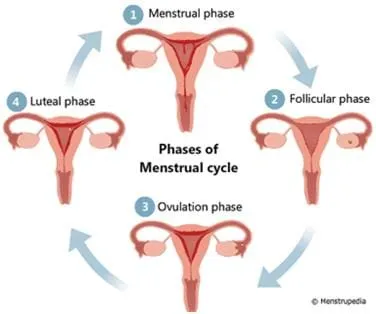
To understand why the back or pelvic hurts during a period, we need to understand the menstrual cycle and the changing levels of hormones. The menstrual cycle is made of a few main phases.

  • The first phase, which is menstruation, begins on the first day of your period. During menstruation hormones, oestrogen and progesterone, are relatively low.

Menstral phases

  • In the second phase, also known as the follicular phase, FSH (or follicle-stimulating hormone) is released, which causes immature eggs to develop. These follicles cause a lot of oestrogen to be produced, and the lining of the uterus thickens, for a possible egg to be embedded.
  • The third phase in ovulation, and is when a mature egg is released from the ovary. It is triggered by an abrupt rise in LH (or luteinising hormone). At ovulation, the cervix moves higher and its opening widens. The release of the egg and the movement of the cervix is why some women experience cramps or aches at ovulation, and why some women experience ovulation spotting. After ovulation, the egg enters the fallopian tube and moves along the uterus.
  • The fourth phase, also known as the luteal phase is when oestrogen production drops and progesterone increases. This further thickens the uterine lining to allow for a fertilized egg to embed. If fertilization doesn’t occur, the egg breaks down, and progesterone levels drop, which disintegrates the uterine lining, in preparation for a period. This drop in progesterone is why some women experience mood swings, bloating, tender breasts or tiredness.

During the period, the broken-down lining of the uterus flows down through the cervix and out of the vagina. When you have a period, the uterus swells and expands and can become almost double the size and weight (pictured below).

Uteris size

Understanding the anatomy of the pelvis can help us understand why the back and pelvis can hurt during a period and during this time when the uterus is so enlarged. Here are some explanations:

  • Firstly, the uterus is suspended in the pelvis to the sacrum (pictured below), which is the triangular bit of bone between your lower back and your tailbone. You can feel the top part of your sacrum, where the dimples in your lower back are. These ligaments are called the uterosacral ligaments. When the uterus swells, this puts pressure on the uterosacral ligaments, which can then create a dragging feeling, heaviness or pain on the sacrum and tailbone.

Periods

  • Secondly, to push the uterine lining out through the vagina during menstruation, the uterus muscle contracts, and if it contracts sharply, it can make you feel strong cramps. Hormone-like substances called prostaglandins trigger these contractions, and prostaglandins are also involved in pain and inflammation processes. If a woman has high amounts of prostaglandins, she can have more severe menstrual cramps.
  • If a woman has endometriosis, cells that resemble the lining of the uterus exist on other places within her pelvis, such as on her bladder, bowel, or vaginal walls. These cells can be triggered with a period and cause more pain and inflammation, which is why women with endometriosis tend to have more severe period pain.
  • Sometimes the uterus isn’t aligned neutrally within the pelvis, and this can contribute to pain that may be one-sided or to pain in the lower abdomen. The uterus may be tilted to the side or it may be tilted forwards. Visceral mobilization to re-position the uterus well inside the pelvis by a trained women’s health physiotherapist can help bring back alignment to the uterus and surrounding tissues.
  • Often the pelvic floor muscles can cramp because of the contracting uterus and vagina. This can also contribute to an increased perception of period pain, because not only is the uterus contracting, but the pelvic floor and pelvic wall muscles go along for the ride. Over time, these muscles can become stuck in a tight position from overworking for many months or years. Because these muscles also attach to the pelvis, tailbone and lower back they can add to your lower back or pelvic pain. Pelvic floor release techniques by a trained women’s health physiotherapist can release these tight muscles, which can in turn reduce the overall pain during periods.

If you have period pain or lower back pain or pelvic pain, try seeing a women’s health physiotherapist, as very often, having some physiotherapy can significantly reduce or completely eliminate your pain. Their treatment techniques can help with other menstrual symptoms such as spotting, irregular cycles, long cycles, and research is now showing the benefits of physiotherapy for fertility as well.

Join an online class  from the comfort of your home - Katrina the principle physio at The Fix Program has designed a series of pregnancy exercise programs that will help you immensely. 


26 Apr 2016 BY Katrina Tarrant POSTED IN Exercise, Physiotherapy

Rheumatoid arthritis, exercise and physiotherapy

When arthritis is rheumatic

  arthritis zones

Last month we talked about the more common osteoarthritis and how the disease presents and is best managed. Osteoarthritis (OA) and rheumatoid arthritis (RA) are very different diseasesand are therefore managed quite differently. They are often confused when speaking about sore joints in the patient and general populations.

The cause of RA is not yet fully understood, although doctors do know that an abnormal response of the immune system plays a leading role in the inflammation and joint damage that occurs – the reasons are not known, but can involve genetics, hormones and the environment. Recent research has shown that people with a specific genetic marker called the HLA have a fivefold greater chance of developing rheumatoid arthritis than do people without the marker and this gene controls the immune response in the body.

Researchers continue to investigate other factors that may play a role, including infectious agents such as bacteria or viruses, female hormones (70 percent of people with RA are women), obesity or in response to stressful events.

The 5 features of rheumatoid arthritis

  • RA is an auto-immune disease. This kind of condition causes the body’s immune system to attack itself. Normally, your immune system makes antibodies that attack bacteria and viruses, helping protect your body against infection. If you have RA, your immune system sends antibodies to the lining of your joints, where instead of attacking harmful bacteria, they attack the tissue surrounding the joint.

  • Doctors and medical research haven’t really found a cause for RA. There has been a link to people who smoke or have a family history of this disease. It is not yet known what triggers the initial attack. Some theories suggest that an infection or a virus may trigger RA, but none of these theories has been proven.

  • RA usually affects the smaller joints, such as those in the hands, feet, neck and wrists. Larger joints such as the hips and knees can also be affected.

  • RA is three times more common in women than in men. This may be due to the effects of oestrogen (a female hormone). Research has suggested that oestrogen may be involved in the development and progression of the condition. However, this has not been conclusively proven. Children can also suffer from RA, called Juvenile Arthritis (JA).

  • RA is characterised by periods of the disease being either dormant or in a time of ‘flare up’. With the joint lining being attacked and all inflamed at these flare up times, there is the presence of hot and swollen joints which are intensely painful to touch and to move. Pain is worst in the morning and can take hours to ease. It actually gets worse with rest and feels better with gentle movement or as the day progresses. RA can also affect the tear ducts, salivary glands the lining of the heart and the lungs, all being very red and sore.

Diagnosing and managing rheumatoid arthritis

In its early stages, RA may resemble other forms of inflammatory arthritis. No single test can confirm RA. To make a proper diagnosis, the rheumatologist will ask questions about personal and family medical history, perform a physical exam and order diagnostic tests. The doctor will examine each joint, looking for tenderness, swelling, warmth and painful or limited movement. The number and pattern of joints affected can also indicate RA, as this type of arthritis tends to affect joints on both sides of the body. This is unlike OA which tends to affect a joint here or there with no particular pattern.

Blood tests are critical to diagnosing RA as inflammation levels and other bio ‘markers’ can be found in bloods which can be used in addition to the other clinical findings to properly conclude that the arthritis is RA. These include rheumatoid factor (RF) or another anti-body (anti-CPP) which have been found in up to 80% and 70% of those with RA respectively.

Finally, investigations such as Xray, MRI or ultrasounds can assist with diagnosis that can show joint erosion, and narrowing or deformity of the affected joints. These scans are not independently conclusive as there can be the presence of RA in some persons without yet any changes to the joints that would show up on scanning.

Unlike OA, the treatment of RA relies heavily on aggressive drug therapy to stop the inflammatory process to put the disease into an ‘inactive’ or ‘remission’ state. The goals of rheumatoid arthritis (RA) treatment are to:

  • Stop inflammation (put disease in remission) as early as possible
  • Relieve symptoms
  • Prevent joint and organ damage
  • Improve physical function and overall well-being
  • Reduce long-term complications.

Drug therapy initially includes anti-inflammatory for symptomatic relief and slowing of the inflammatory process, steroids and disease-modifying anti-rheumatic drugs, some which are also used to treat some cancers.

Non-pharmacological therapies involve a mix of rest in the highly inflamed periods and gentle exercise, stretches and strengthening to support the affected joints in periods when the disease is less active ad pain levels are lower. This is where your friendly physiotherapist would work with the patient, the rheumatologist, the current phase of the disease (active or in remission) to prescribe a specific exercise program. As with OA, the guidelines for exercise for RA are very similar, however with the RA patient, pain, inflammation and flare-ups are a primary concern. The guidelines are:

  • There need to be the right balance between exercise and rest. Too much of the wrong exercise can load up the affected joints more and cause increases in pain, inflammation and long term joint damage. Too much rest and no exercise makes the joints also stiffen and the muscles around to weaken.
  • All joints in the human body require synovial fluid and lubrication to stay mobile. This fluid will be secreted by the cells in your joint with the response to movement. So, move it, or lose it (as they say)!
  • Too much heavy weight bearing exercise such as jogging, jumping, lifting can over load already painful eroded joints. Preventing repetitive joint loading tasks where possible, including kneeling, squatting or heavy lifting
  • Muscular support and strength about the OA joints will make will offer support and shock absorption that would otherwise be transmitted into the painful joint. Good muscle condition is paramount. Pilates could really be a winner here!

Preventing arthritis

Rheumatoid arthritis cannot be prevented as it is an unlucky person who is afflicted with this auto-immune disease. If your joints are painful and there are many afflicted at the same time, referral to a rheumatologist specialised in RA would be recommended.

If you are worried about any joint pain you are having, speak to one of our physiotherapists at The Fix Program.


25 Apr 2016 BY Katrina Tarrant POSTED IN Women's Health

The irritable tummy and pelvic pain

Nutritionist Fumi discusses Irritable Bowel Syndrome (IBS) and the role of diet


What is IBS?

IBS stands for Irritable Bowel Syndrome. It is a condition of the digestive system, affecting one in seven Australian adults. IBS is characterised by a variety of uncomfortable symptoms including:

  1. Abdominal pain
  2. Wind (excess)
  3. Constipation and/or diarrhoea
  4. Bloating

What causes IBS?

The cause of IBS is yet unknown, but certain triggers have been identified and these include:

  1. Food intolerance
  2. Poor diet
  3. Stress
  4. Medication
  5. Infection

How do I get diagnosed?

The symptoms of IBS are very similar to other gastrointestinal disorders, such as diverticulitis, inflammatory bowel disease, polyps, Coeliac disease, infection, and certain cancers. Therefore it is vital that you get a proper medical check if you suspect IBS in order to rule out the other possible causes.

A cure for IBS is yet to be developed, so the current primary treatment is to identify and avoid individual triggers. If you suspect dietary triggers, then trialling a low FODMAP diet has shown to significantly improve the unpleasant symptoms of IBS.

What is the Low FODMAP Diet?

FODMAPs are complex sugar/starches found in a variety of foods we eat. It stands for Fermentable Oligosaccharides Disaccharides Monosaccharides And Polyols. These FODMAPs are poorly absorbed in ALL people, however, those with IBS are thought to experience debilitating symptoms due the gut being hypersensitive compared to those without IBS.

The Low FODMAP Diet is the first phase of an investigation strategy. It should be followed for only 2-8 weeks. Subsequent challenges and re-introduction of individual FODMAPs are necessary in order to identify specific individual triggers and tolerance levels.

FODMAPs are in fact vital for health and wellbeing as they feed the good bacteria in the gut and contribute to bowel health. That’s why it’s vital for individuals to find the optimum balance for their FODMAP tolerance instead of sticking to a low FODMA diet life-long. Think of it like an ankle sprain: you give the ankle a few days of rest, then you slowly introduce rehab exercises to strengthen that ankle. That’s what we want to do with dietary management of IBS. You “rest” on the low FODMAP diet, then “rehab” as you proceed through challenges and liberalisation, so that you “strengthen” your tolerance to its optimal level.

Key nutrition solutions

Our Philosophy

Eat better, Get better, and Live better.

Food truly affects your everyday life. Your energy, mood, and performance… they are all affected by what you eat everyday. In today’s society where eating has somehow become the point of judgement and debate, it’s no surprise that people are so confused on what, when and how to eat.  

At Key Nutrition Solutions we like to keep things simple. We understand that each and every one of us has a unique body, lifestyle and nutrition requirements. We’re all different so of course each of us needs a unique plan. Key Nutrition Solutions respects your personal beliefs, lifestyle and life priorities, and we are committed to providing you the best food approach to health.

Our Dietitian

A dietitian. A home-cook. An adventurous foodie and an experienced ballet teacher. That’s Fumi, the directing dietitian at Key Nutrition Solutions. With her knowledge, profession and life-long involvement in food and dance, Fumi will provide you with the latest knowledge, scientifically proven strategies and practical advice to improve your performance, life, and wellbeing.

Fumi has suffered food allergies and intolerance herself, so she understands the pain and challenges you face when it comes to dealing with such “food problems”. She is passionate about helping others that suffer the same, and is always updating her knowledge and practice in this complex area of food and body interaction, so you are assured you get all the professional support you need.

http://www.keynutritionsolutions.com.au/


24 Mar 2016 BY Katrina Tarrant POSTED IN Pilates, Sydney CBD

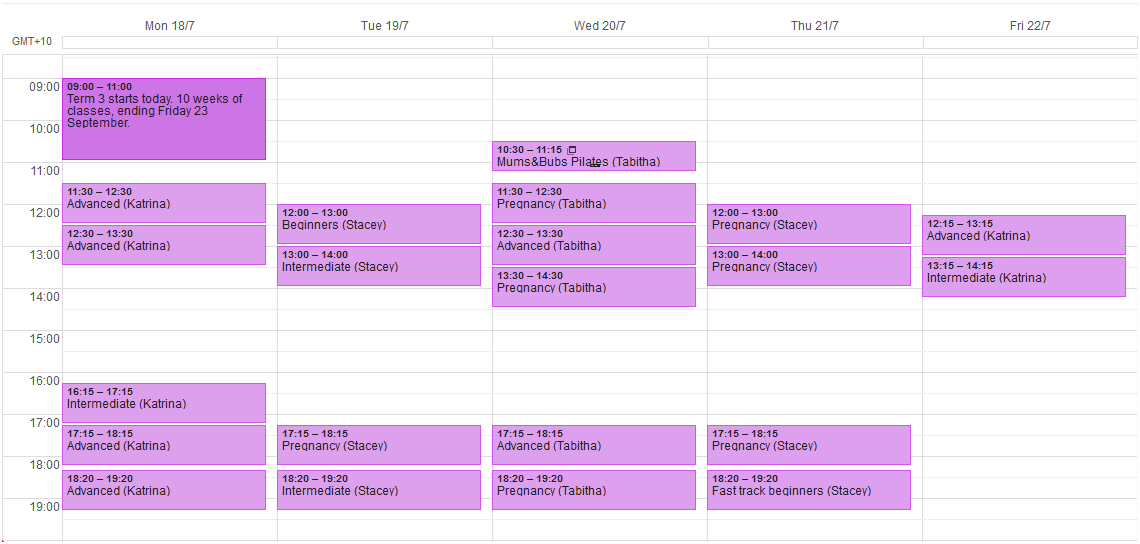
Draft Pilates Timetable for Term 2 2016

The draft timetable may be subject to change. This is a 10 week term of classes, running from the week commencing Monday 25th April and ending week commencing 27th June, 2016.

Please note that there will be NO classes on Mondays 25th April and 13th June due to public holidays. Monday’s classes will therefore run as a shorter 8 week term. Payment will reflect this accordingly. 

Classes available for


23 Mar 2016 BY Katrina Tarrant POSTED IN Pilates, Sydney CBD

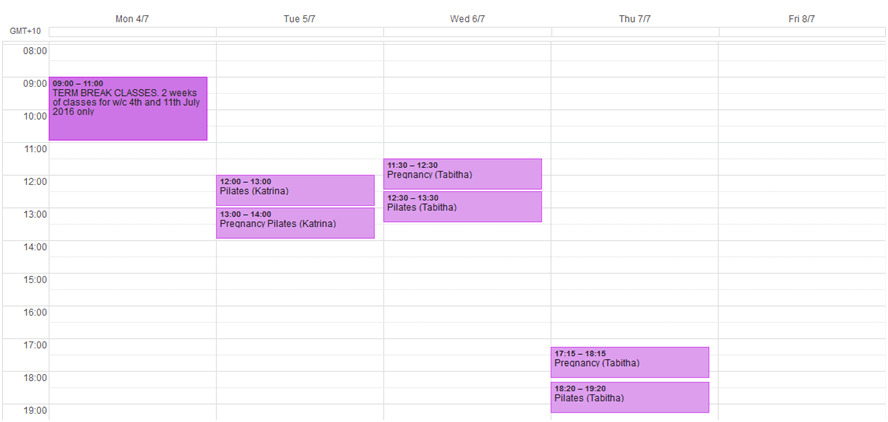
Draft Pilates Timetable for Term Break April 2016

Draft term break timetable is subject to change. This timetable will run for 2 weeks only in weeks commencing 11th and 18th April, 2016.

Classes are recommended and scheduled for


Fix News