The Fix Program Blog

23 Mar 2016 BY Jaclyn Thurley POSTED IN Exercise, Physiotherapy

More Top Tips for Running

City to Surf in August…here I come!

Last month we talked about all of the posture tips for running to prevent injury and make your running style super efficient. Have any of you started to utilise at least 1 or 2 of the postural cues when running (or even walking)?

Here are a few more things to consider before you head out and start your training for the City to Surf or May SMH Half Marathon! (or to walk the dog each night).

  • Treat for your feet.

The ultimate key to success is having the right running shoes! It is always a good idea to get your shoes chosen and fitted by a qualified professional. As physiotherapists, we work closely with podiatrists and therefore get the inside intel on the leading shoe brands. Currently Brooks, New balance and Mizuno are making top-notch running shoes.

However, there are various styles in each brand, for various terrains, for various foot types. Therefore getting your shoes fitted by someone with the ‘know how’ is a must!

  • Run on the right surface

Running on the right surface can help you avoid those niggly injuries, and is especially important if you are new to running or if you are returning to running after a period of time off. The perfect terrain is level, not too soft nor too hard. Sand and grass can often be too soft, cement or road often too hard. The best by far is running on man-made dirt tracks, such as compressed gravel, stone aggregate or cinders tracks.

These ideal terrains may not be so easily on your door step, so try to mix up your surfaces to keep your body adapting and not loading up too much repetitively.

  • Don’t over-stride

Research strongly supports increasing your cadence (number of strides per minute) and shortening your stride length. This has been shown to improve your efficiency and performance, and is associated with reduced injury rates. Therefore keep your strides short, and if you want to improve your pace increase the number of strides you take per minute, rather than lengthening your stride. It is said that a cadence that is ideal for everyone running is between 80-100 steps per minute. Get counting!

  • Why not start with interval running

For both new runners and those returning to running, to ease your way back into things, why not start with interval running? Interval running is a fantastic way to return to running gradually and avoiding fatigue and overload related injuries. The following is an example of an interval running program:

Week 1

2min jog, 4 min fast walk x6

Week 2

4min jog, 4min fast walk x4

Week 3

6 min jog, 2min fast walk x4

Week4

10min jog, 2min fast walk x3

There are also plethoras of running apps that can be downloaded, often for free that can take you through a graded jogging program. I have had friends successfully work their way through the Couch25k app. This app talks you through a 9 week interval training program to have you running from nothing to 5ks in 9 weeks. You can even load up your own favourite motivating exercise music to listen to whilst being directed by the wonderful voice over.

  • Do the ‘prehab’!

It is always a good idea to condition your body prior to return to running. This can be done by performing specific exercises that target the essential muscle groups. The muscles of the core and buttocks are vital to running, as they provide your legs with a stable and level base from which to move under. Here are some early stage core and buttock exercises to get you started:

  • The Leg Roll In and Out. This exercise has you thinking about the stable pelvis and the deep set of muscles within the deep abdomen and pelvis. Applying this muscle ‘feeling and awareness’ when running will build resilience about the pelvic platform, hips and spine.

  • Clam. This exercise builds strength, awareness and endurance in the lateral hip area and a muscles specifically called ‘gluteus medius’. This muscle controls the hip joint within the pelvis, and prevents the awkward side to side drop of the pelvis seen in some walkers/runners. Weakness in this muscle can cause lower back pain, hamstring and ITB injuries and knee pain.

  • Lunges. This gets you up and on your feet, putting it all together. Running has you needing leg strength, hip control and pelvic control and lunges have you thinking about all of this. Take your time and work that lower body. Try fixed feet lunges and then progress to stepping lunges to make it even more dynamic and like running.

If you would like a personalized program or the above exercises progressed to higher level running specific exercises please contact your Fix Program physiotherapist.

Leg Roll Out and In.pdf (151.3KB)

The Clam Exercise finding deep bottom muscles.pdf (191.6KB)

Deep Lunges.pdf (118KB)

www.c25k.com


22 Mar 2016 BY Heba Shaheed POSTED IN Women's Health

March is endometriosis awareness month

12 easy nutrition tips to ease endometriosis and pelvic pain

Last month, I wrote about how hands-on women’s health physiotherapy is effective for women who suffer from endometriosis. This month I cover some practical nutrition tips to manage the pain and symptoms associated with endometriosis. This is information I provide as a Women’s Health Nutrition Coach to my patients with endometriosis.

In endometriosis and chronic pelvic pain conditions, there is often a repetitive inflammatory process occurring within the pelvis. Pain is often a cardinal symptom of inflammation and, without getting too technical, the presence of something called “cytokines” in the body suggests inflammation. Interestingly, research shows the presence of several inflammatory cytokines in women with endometriosis.

So, what do pain, inflammation and inflammatory cytokines have to do with endometriosis?

Well, understanding this process provides the basis for why an anti-inflammatory diet is important in managing this disease. Certain foods have been proven to reduce inflammation and these are recommended for women with endometriosis. Knowing this makes it easier to stick with dietary changes, because ultimately you are not just reducing your symptoms but also reducing the growth of the disease. So let’s get into the anti-inflammatory foods.

Some general anti-inflammatory foods that you can simply begin to incorporate into your diet and cooking include

  • lime zest
  • mushrooms (button, oyster, honey-brown, shiitake, enoki)
  • sweet potato, onion (be careful with this if you have IBS and are sensitive to FODMAPs)
  • Thai spices such as kyeng, dill, kaffir lime, chilli, teaw, sweet basil, pea eggplant
  • other herbs and spices that are anti-inflammatory including curcumin (turmeric), ginger, cinnamon, cloves, oregano and sage.

Please bear in mind that every woman with endometriosis is different and a blanket diet cannot be given to every woman. A woman with endometriosis may have other concurrent conditions that would warrant other dietary modifications. This could include irritable bowel syndrome, interstitial cystitis, poly-cystic ovarian syndrome and pudendal neuralgia.

There are some general recommendations that are given for women with endometriosis. These suggestions can include

  • ensuring you have clean protein, healthy fats and fibre at every meal

  • going gluten-free. More and more research is showing significant improvements in women who stop eating gluten. Gluten ranks as one of the highest toxins for women with endometriosis. Simply going gluten-free without any other changes can be enough to reduce pain significantly.

    Some women can also be sensitive to other grains, but if not, you can enjoy brown rice, buckwheat, quinoa and teff as alternatives.

  • limiting soy. Pelvic pain is found to be higher in women who regularly eat soy. If you need to have soy, its best to stick with low amounts of non-GMO, organic, fermented whole soy foods.

  • limiting diary. A lot of women with endometriosis have developed sensitivities to dairy. This can be sensitivity to lactose, which is a sugar found in dairy, or sensitivity to casein, which is a protein found in dairy. Dairy can cause inflammation which can lead to pain.

    Simply substitute for non-dairy alternatives e.g. almond or other nut milk, rice milk, coconut milk, coconut yoghurt, coconut cream and coconut ice cream. Grass-fed butter is usually well-tolerated.

  • limiting sugars. Processed and refined sugars wreak havoc on the gut. Switch to coconut sugar or pure maple syrup for sweeteners. If you have a chocolate addiction try Loving Earth brand of chocolate instead.

  • limiting coffee and alcohol.

  • enjoying increased high omega-3 fatty acids. Foods that are high in omega 3 are your powerhouses of anti-inflammatories. They can even be used as an alternative to pharmaceutical NSAIDs!

    For example, flaxseeds/linseeds, walnuts, brussel sprouts, cauliflower and fish such as sardines, salmon, tuna, blue mackerel, gemfish, shrimp

  • increasing your vegetable intake. Have rainbow colourful vegetables at every meal, making sure you have lots of green leafy vegetables. Sulfur containing vegetables and cruciferous vegetables help with estrogen detoxification. This is found in broccoli, brussel sprouts, cauliflower, kale, leafy greens and cabbage.

  • increasing your fibre intake. This is effective for estrogen detoxification. Simply add chia seeds or flaxseeds to your meals. Your goal here is 35-45g of fibre per day.

  • increasing your antioxidants. Foods high in Vitamin C are very effective for reducing inflammation. These can include papaya, bell peppers, broccoli, brussel sprouts, strawberries, pineapple, oranges, kiwi fruit, cantaloupe and cauliflower.

  • drinking lots of water and tea. English breakfast and green tea are anti-inflammatory teas.

  • taking probiotics. Cycle between 3 different brands of quality probiotics every 3 days for optimal gut health.

So there you have it. Twelve tips to reduce the pain associated with endometriosis. You can start your journey to a healthier pain-free life by adopting these nutritional strategies.

If you would like more personalised nutrition coaching for endometriosis or pelvic pain, you can enquire with one of our women’s health physiotherapists at The Fix Program.


22 Mar 2016 BY Katrina Tarrant POSTED IN Exercise, Physiotherapy, Pilates

Osteoarthritis and Pilates

Clearing the confusion around arthritis

As a physiotherapist, I am always explaining the differences between osteo and rheumatoid arthritis. There is a common misconception that they are the same disease, however, they are very different.

When reading through X-Ray or MRI reports together with my patients, this discussion about the differing arthritis conditions typically arises. These scan reports speak of ‘degenerative changes’, ‘bony spurring’, ‘osteophytes’, and ‘osteoarthrosis.’ These words all sound a little scary, don’t they? However, it is often said that if each person over 40 were scanned from head to toe, there would be these changes in every one of these people in at least one of their joints. It really is a natural part of aging and shouldn’t be viewed as a catastrophe!

Practitioners, doctors and those with these X-ray changes should really look to the associated symptoms felt at these affected joints (if there are even any?) before rushing to blaming these findings as the cause of pain and dysfunction. Often investigations such as scans like these can show the presence of ‘degenerative changes’ but without any associated pain or other symptom. Scans really should be read and used with caution for this very reason.

Let’s look in more depth at the main characteristics of osteoarthritis (OA) this month. In our next newsletter, we will explore rheumatoid arthritis (RA).

The 5 features of osteoarthritis.

  • OA is the most prevalent type of arthritis with a report from the Australian government from December 2015 reporting that self-reported OA is as high as 1 in 13 Australians. Of these, every 2 in 3 are female. It is not at all common in children and comes with ages over 40.

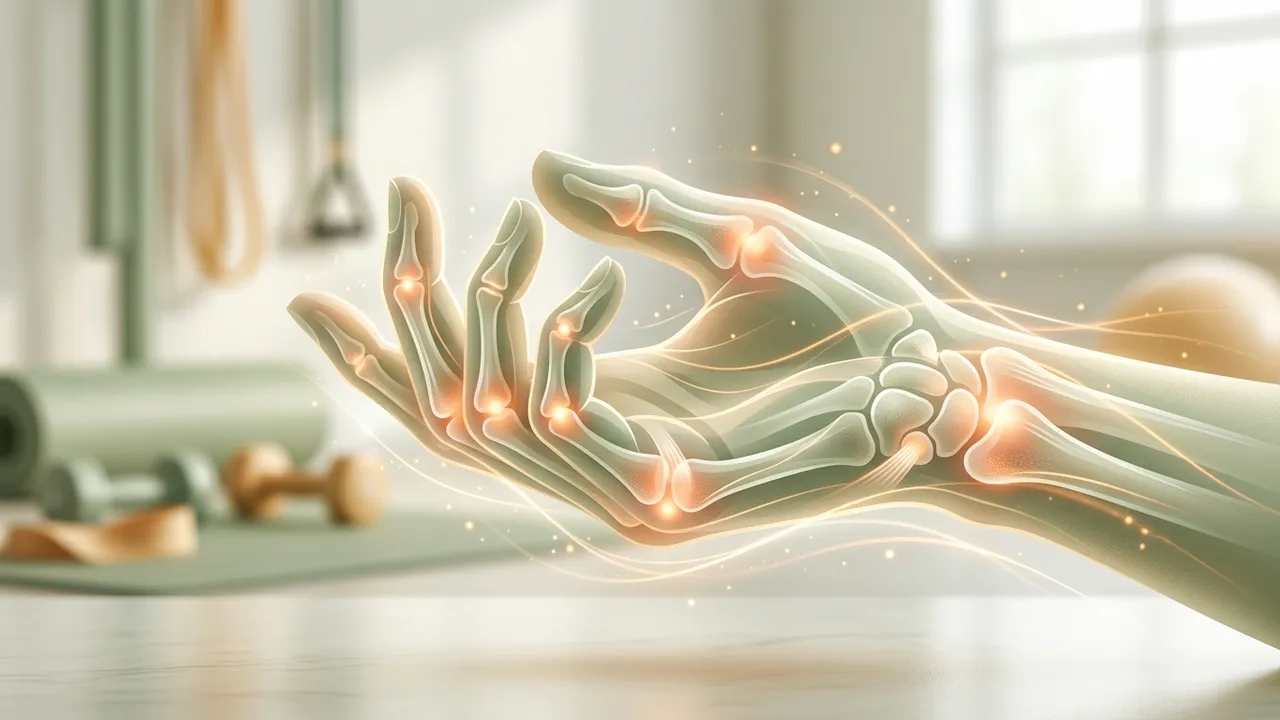
  • OA is also known as the ‘wear and tear’ arthritis or degenerative joint disease. It is mostly found in the fingers, thumb, big toe, lumbar spine, hips and knees. It is most painful and symptomatic in the hips and knees. When someone is off to have their knee and/or hip joint replaced, they are typically receiving new stainless steel or titanium joints to replace their old worn out ones from the degenerative process of OA. The before mentioned Australian government report states that there was a 32% rise in total knee replacements from 2004 to 2014.

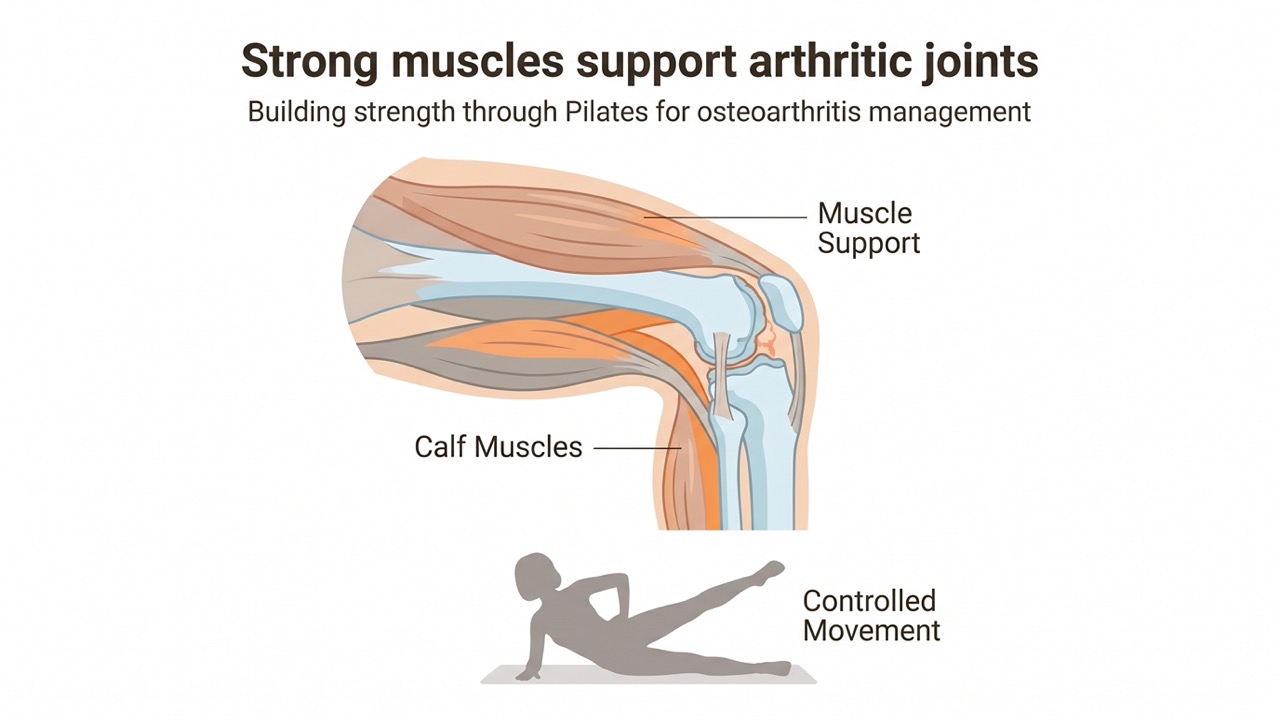
  • OA is caused by the slow breakdown or erosion of the cartilage which lines our joints. This cartilage acts as a cushioning between the 2 bones making up a joint. The cartilage allows for the smooth sliding of one joint surface over the other as we move and can absorb impact and pressures like a shock absorber. If a joint is used too much or has excessive loading such as with some repetitive movements of sport or from carrying too much weight, the watery composure of the cartilage breaks down almost to the point of bone rubbing on bone. This stimulates the body to respond, changing the affected joint’s muscle and bone. This is where thickening of the soft tissue or the growth of bone spurs will occur.

  • Bone spurs- also called osteophytes- are the body’s clever response to the bone on bone abnormality of an affected arthritic joint. The exposed bone within the joint can become inflamed and this stimulates further bone to grow around the edges of the joint. It can be thought of as the body trying to increase the surface area of the joint to spread the pressures and stresses across a greater area. Unfortunately, some osteophytes can cause problems, but this is not a blanket norm. In some joints such as the small facet joints on the spine, bony spurring can restrict the space of a nerve canal, causing possible irritation of the nerve. Another problematic spurring of bone can be at the big toe. Generally bone spurs themselves are not problematic, but they are a signal of an underlying problem that often needs to be addressed. They can be documented to help assess the severity of a condition such as arthritis.

  • OA is characterised by stiffness and limited movement in the affected joint. Initially, pain is felt after activity and settles with rest. There may be some stiffness in the morning, but this is mild and lasts less than 30 minutes. As the OA worsens, the joint may become enlarged and tender due to bony spurring. Tis can affect pain free movement and alter the mechanics of good movement across the region, making everyday activities such as walking difficult.

How can exercise like Pilates assist with pain associated with osteoarthritis?

As OA is a ‘wear and tear’ disease that is associated with aging, often is cannot be helped. However, its progression or severity can be altered with a few practices.

Exercise is a well documented management for those suffering from OA. This is a broad statement and to dissect it a little is time well spent. Here are some points to consider:

  • OA needs the right balance between exercise and rest. Too much of the wrong exercise can load up the affected joints more and cause increases in pain and stiffness. Too much rest and no exercise makes the joints also stiffen and the muscles around to weaken.
  • All joints in the human body require synovial fluid and lubrication to stay mobile. This fluid will be secreted by the cells in your joint with the response to movement. So, move it, or lose it ( as they say)!
  • Too much heavy weight bearing exercise such as jogging, jumping, lifting can over load already painful eroded joints. Preventing repetitive joint loading tasks where possible, including kneeling, squatting or heavy lifting
  • Muscular support and strength about the OA joints will make will offer support and shock absorption that would otherwise be transmitted into the painful joint. Good muscle condition is paramount.
  • Exercise will assist in keeping weight controlled and down. There is nothing less a knee, hip or spine likes than carrying about too much weight. Ow!

Confused?

So, for those of you with OA or any painful joint, you need to move, strengthen your muscles but without repetitive excessive loading on your sore joints.

There is still so much choice for you to keep up the exercise. Why not try:

  • Pilates? Controlled, weighted exercise without the repetitive pounding on your joints. And on top of that, improving posture and mindfulness to keep your painful joints well aligned. Well aligned joints will be happy loaded joints.
  • Swimming or aqua-aerobics? Resisted exercise in the pool without the effects of gravity stressing your joints. You’d be surprised with the workout you get with some of the props and equipment that gets used in the pool for these classes.
  • Weights and cardio equipment? A targeted weights program can really build your muscle strength. Speak with a physio about guiding you through the best exercises for your OA. Your physio can work with a trainer to help your program become established without the flare-up of your pain.

Feel free to chat with our physio team if you need guidance and treatment for your painful joints.


26 Feb 2016 BY Katrina Tarrant POSTED IN Pilates

Pilates and the deep core muscles of the pelvis

Picture the cylinder that holds your spine and pelvis strong

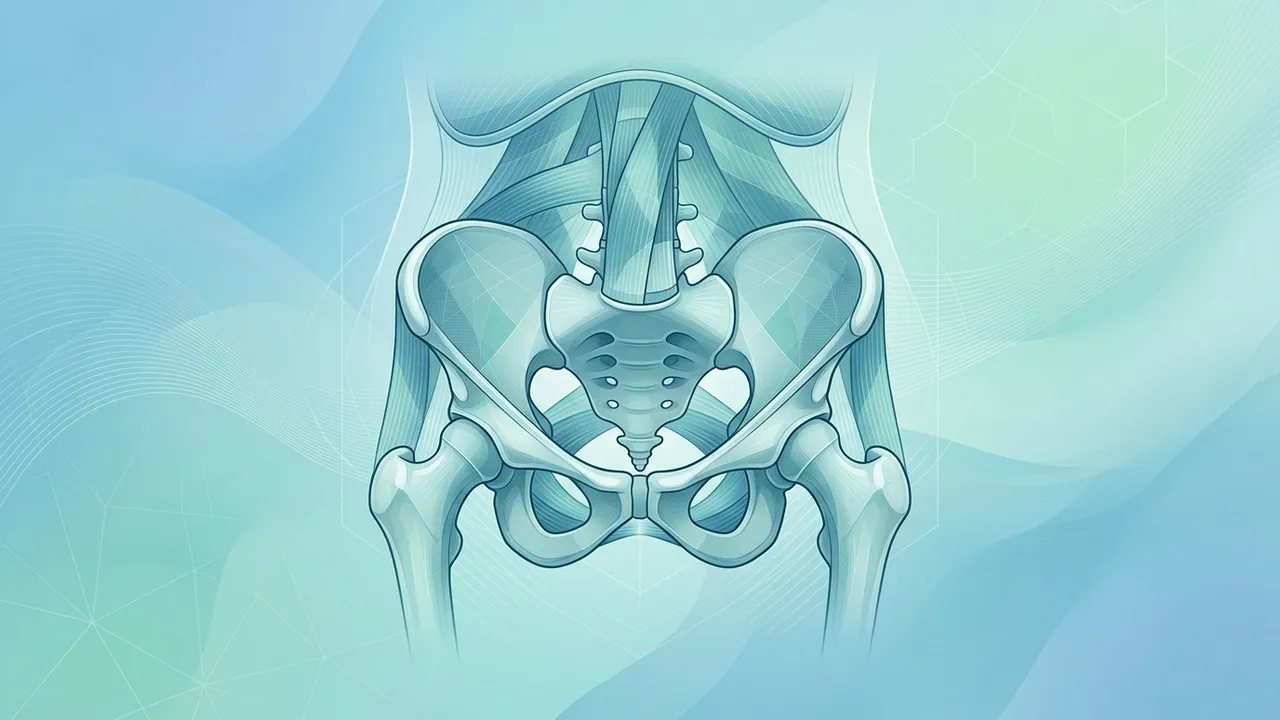
We know that visualisation is an amazing learning tool. Picturing a concept or an idea can allow the brain to interpret or reinforce new ideas being learned. Seeing muscles and joints in the body can help you to understand the workings better. It may even have you feel the muscles working better if you can picture them activating. This can be very much so in the deep ‘core muscles’ of the lower trunk and pelvis.

This illustration above may assist you in getting your head around the muscles we are always talking about in your Fix Program classes. These muscles form a part of your body’s postural control system as you go about your day. The very same deep muscles that stop your bones from falling to bits and the cause of our many aches and pains!

In our Pilates classes, you will hear us repetitively saying:

“Breathe in deep and wide, and as you exhale, imagine gently lifting your pelvic floor ( feeling your’ pebble lift from the pond’) and become aware of the front hip bones drawing towards each other”

The ‘cylinder’ of lower trunk support

When looking at the picture above more carefully, and if using your imagination a little, you will see that the 4 sets of muscles make a cylinder-like shape. After looking at these muscles, try to picture a basic cylinder in your mind. Now place the diaphragm on top of your cylinder, the pelvic floor muscular sling on the bottom, and wrap the transverses abdominus ( deepest of the abs) around the rest. This cylinder fills the circumference of the lower half of your trunk, from the lower ribs to the base of the pelvis. Multifidis is another deep postural muscle that ‘laces up’ through the spinal vertebra and completes the picture.

Visualising this muscular cylinder can really help you to ‘find’ and activate your pelvic postural muscles better.

So, now that you can visualise your muscular cylinder, what comes next?

With the cylinder of muscles now pictured better in your brain, you may start to locate, contract and strengthen your ‘core’ even better than you thought. Why not try connecting your cylinder picture with the instructions you hear at class.

  • Breathe in deep and wide”

When looking at the diaphragm sitting at the top of cylinder under your lower rib cage, picture your diaphragm descending downward slightly into your cylinder as you breathe in ‘deep and wide.’ As you exhale the diaphragm moves upwards to its starting position.

  • “As you exhale, lift you pelvic floor as you’d imagine a pebble lifting from a pond”

When picturing the diaphragm ascending as you exhale, you may see now that this creates a vacuum within the cylinder. This region of less pressure makes it easy now for your pelvic floor at the bottom of your cylinder to lift. Do you now understand why we lift the pelvic floor as we exhale? The pelvic floor and diaphragm have a direct relationship with each other. As the diaphragm ascends, so does the pelvic floor. Likewise, as the diaphragm descends as you inhale, so does the pelvic floor. This is the natural pelvic floor-diaphragm rhythm.

  • “Imagine your hip bones drawing together as your deep abdominal activates”

The pelvic floor, transversus abdominus and diaphragm muscles are all interconnected through nerve and fascial (thin tissue between muscles and organs) networks. Muscles connected in this way will contract together and relax together. So, let’s now imagine the circular component of your cylinder.

While your diaphragm and pelvic floor ascend together on your exhale breath, the deep abdominal will slightly draw in, as if tightening a belt gently around the lower cylinder. This apparent tightening will be felt the full circumference of the cylinder in those very aware of their bodies, even around the sides of the waists and in towards the lower back. For others, the feeling will seem heightened at the front of the pelvis between the ‘hip bones’. The slight drawing in of the cylinder can almost have you believe these ‘hip bones’ are being gently pulled towards each other.

Putting it all together

This muscular cylinder is only the beginning of wonderful postural support for your pelvis, spine and body. These muscles work subtlely throughout your day, gently holding your spine and pelvis aligned. For maximum benefit, these muscles need to be trained ‘functionally.’ This means whilst doing other things such as moving, bending, lifting, twisting, walking, running, jumping and even sitting at your desk. There are other muscles all involved here too from upper back and shoulder muscles to spinal muscles, hip muscles and leg muscles, both deep and superficial layers.

So when involved in any of these activities above (which pretty much means all of the time when awake and conscious!), can you imagine your deep muscular cylinder at work? Sitting in there within your pelvis and lower trunk with the involved muscles on each surface all acting in a connected way?

Try it and you may be surprised at your postural alignment, endurance and movement freedom and efficiency.


23 Feb 2016 BY Heba Shaheed POSTED IN Back Pain, Women's Health

EndoMarch

March is the month to raise awareness on endometriosis

Endometriosis pain

With Endometriosis Awareness Month in March coming up I thought it was timely to post to The Fix Program blog about how hands on therapy such as women’s health physiotherapy can go a long way in helping endometriosis sufferers recover. Endometriosis is characterised by pain - period pain, abdominal & pelvic pain, pain with urination and with bowel movements, and pain with sex.

When women and younger girls suffer from endometriosis, they often spend a lot of time curled up in bed during period times, and often outside of period time too. All of those cramps, spasms, inflammation and pain make the tissues in the abdominal, pelvic and back area really tight. There is also a build up of scar tissue from the endometriosis or from the surgeries to remove endometriosis. This tightness in the muscles and connective tissue (fascia) in the area can then cause further pain. The pain cycle begins, going round and round in a vicious circle of increasing pain, tightness and inflammation.

I didn’t realise that physios can help with endometriosis.

Physios are thought to only treat sports injuries or back pain. Little is known in the general arena of medicine and the general public about the wonderful role women’s health specialised physiotherapists can play in changing these women’s lives.

I’m a big fan of manual therapy and myofascial massage in this area to release scar tissue, adhesions, spasms, fascial and muscle tightness, and to restore the correct alignment of the bones, soft tissues and the pelvic and abdominal organs.

Sometimes the pelvic bones and joints are not in a neutral or appropriate alignment and this can further affect the muscles and fascia in the lower back, pelvic and hip regions. This can usually happen after surgery as often the endometriosis or scar tissue can be more one-sided within the pelvic organs. When surgery is done to remove this, one side of the pelvic tissues can scar and tighten up more and pull the joints out of alignment.

At The Fix Program we treat pelvic dysfunctions such as is seen with endometriosis with myofascial massage, muscle energy techniques and exercise to restore the pelvis, hip and spine joints back to a good neutral alignment. Often women with endometriosis have been told they have sacro-iliac joint dysfunctions in the pelvic joints, so an integrative approach of external and internal physiotherapy techniques is important for optimal results.

Endometriosis severely impacts the pelvic floor, and more often than not, women who suffer from endometriosis also suffer from a hypertonic, overactive or tight pelvic floor. If the pelvic floor muscles and fascia are tight, then they are often also very painful, leading to pain with sex. They can also make period pain worse because when the uterus contracts to expel blood, the pelvic floor muscle and fascia system will be contracting too (it’s like trying to walk with a sprained ankle). This is why a lot of women with period pain also experience vaginal pain during their periods.

What can I expect after seeing a women’s health physiotherapist for me endometriosis?

Almost every woman who walks into The Fix Program with endometriosis often has tightness or trigger points in her pelvic floor muscles, so a lot of the treatment she would have would involve internal vaginal muscle releases. Within 3 months of treatment internally and externally ( the outer muscles of the hip, buttocks, spine and abdomen), she will report less pelvic and sexual pain, better bladder and bowel control, regular bowel emptying, better digestion, and best of all, less period pain.

Periods can also become shorter, more regular, with less spotting before and after periods. Part of the reason for this is because the uterus is now aligned ‘neutrally’ from all the muscle and fascial release work around it, rather than tipping forwards or sideways. If the uterus isn’t positioned ‘neutral’ or well within the pelvis, blood can stay back in the curves rather than flowing straight down and stay there until the next period, when it comes out as dark spotting.

Next month, I will explore a nutritional approach for the management of endometriosis. In the meantime support endometriosis awareness by attending events held by Endometriosis Australia and Worldwide EndoMarch.

http://www.endometriosisaustralia.org/

http://www.marchintoyellow.org.au/

http://www.endomarchaustralia.com.au/

http://www.luminosity.org.au/


23 Feb 2016 BY Jaclyn Thurley POSTED IN Exercise, Physiotherapy

Top tips for Running!

How to improve your technique and minimise niggly injuries


Running is a great form of aerobic activity and a fantastic stress reliever! There is nothing better than the post-run rush of endorphins. There is just something about strapping up those laces, running of into the distance, surrounding yourself with nature that creates a sense of deep serenity. Although running is a great way to keep fit and an amazing stress reliever, it can often be hard on the body and lead to niggly injuries.

However by optimizing your running technique your can easily minimize your risk of injury. Minimizing injuries may not be a major concern for you, you may instead want to improve your running technique to improve your running efficiency and thus become a speedy Gonzales!

There are many, many things you need to know to improve your running technique, so this blog will be a three part series.

In the first part of this series we will run through (pardon the pun) posture tips, taking you from head to toe.

Postural cues for running

Reading on, you may feel a little overwhelmed with all the suggested changes, especially when you are feeling rather pooped or chugging it up the hill. It’s just enough to think to breathe or to not stop! When you are out on your next run I want you to implement one of the below posture tips. JUST ONE! With each run you go on after, try to add an extra posture tip until you have your posture sorted from head to toe!

Now let’s get started.

  • Head and neck

Imagine there is a little hook at the base of your skull, off that hook is a little piece of string that is being gently pulled towards to sky. This pull creates a beautiful length through the back of your neck and a subtle chin tuck. This will allow for the correct postural muscles in your neck to work with balance, rather than all the tension runners can feel across the back of the neck. Try to relax your jaw too. And don’t forget the tongue in your mouth. I have seen the best of runners finishing their race with a soft opened and almost floppy jaw.

When you feel your breathing is laboured, be more aware of these cues. A tense breathing pattern will not only add tension to the upper back and neck region, but will also inhibit an effective deeper breath with your diaphragm.

  • Shoulders

Create an open ‘smile’ at the front of the chest, by gently lifting the chest and bringing your shoulder blades up and back into their ‘top back pockets’. This will open the front of your trunk for better diaphragm breathing patterns, and support the posture of your shoulders, neck and upper back with better efficiency.

  • Arms

Arms should be relaxed with elbows bent to 90 degrees and swinging freely forward and back but not across the body. As your arms swing a subtle and controlled twist through the waist is generated. I have read of coaches suggesting to ‘brush your thumbs along the waist band of your running shorts/tights’.

Hold your hands in a loose fist, imagining you are holding two baby birds.

  • Lower back and pelvis

Finding and maintaining a ‘neutral’ spine and pelvis during running is crucial. There should be a small curve (but not exaggerated) in your lower back and the boney bits at the front and the back of the pelvis should be level. Talk to your physio if you are unsure how to find your neutral spine and pelvis. The neutral pelvis will act as a beautiful foundation for your spine, aligning all joints and encouraging muscles to work well to support your lower trunk region. The neutral pelvis will also have your buttock muscles and hips working better. Better control for each foot fall, better power for pushing off and safer biomechanics to the knees and feet. What a win all round!

Anterior pelvic tilt. This is an example of a pelvis that is excessively tilted forward. The boney at the front of the pelvis sit lower than the bones at the back of pelvis creating an excessive low back curve. Not ideal at all.

Posterior pelvic tilt. This is an example of pelvis that is tilted backwards, causing the bones at the front of the pelvis to sit higher than the bones at the back of the pelvis creating a flat low back. This encourages incorrect activation of both the abdominal and deep buttock muscles. Not ideal at all!

Neutral pelvis. This picture is an example of a neutral pelvis where the bones at the front and the bones at the back of the pelvis and nicely level creating a subtle low back curve. This is the ideal zone to aim to hold your pelvis as you run as it allows for postural control, movement efficiency and great alignment of both the back and the hips.

Now for the most important bit!

  • Forward lean of the body over the hips

It is very important when running to have a slight forward lean of the body. This comes about by bringing your body forward over the hips, so that from a side view you head, shoulders and chest are slightly in front of the hips. Coaches again may say “imagine your breastbone sitting just in front of the pubic bone”.

Runners often go wrong by holding themselves extremely upright with their head and shoulders tacked directly on top of their pelvis or even behind it. This can lead to a heavy heel-strike that lands in front of the body, creating harsh ground reaction forces that propel the body backwards and upwards, which is a waste of energy and an injury waiting to happen!

This picture above is an example of a heel strike in front of the body, with the trunk excessively upright and the pelvis tilted forward. Note how the foot is out in front of the hip area, increasing the stresses through the whole leg with each foot fall. This is not ideal.

If you achieve a slight forward lean from the hips you are more likely to achieve a mid-foot strike underneath or behind the body. Achieving a mid-foot strike improves the body’s ability to absorb and recoil ground reactions forces and achieving this foot strike underneath or behind the body will in turn propel the body forward, improving your speed!

This picture is attempting to re-enact a forward lean and a mid-foot strike that land underneath or even behind the body (we have exaggerated the forward lean for understanding). Note how the foot now falls under the hip, better absorbing the ground reaction forces of each foot fall. This is ideal in preventing injury and improving running efficiency.   

  • Feet

Another thing to think about in regards to your feet is how wide or narrow your feet land. I want you to imagine you have a line on the ground directly under the middle of your body. You want your feet to land either side of the line. Therefore, you do not want to run with your feet too wide nor do you want to run with you feet crisscrossing over each other and over that imaginary line.

Well that takes you from head to toe, its time to wrap things up!

If you want to check your running technique with your Fix Program physiotherapist, here’s what to do:

  • Find a treadmill, a friend and smart phone – Ask your friend to take a video of your running on a treadmill with your smartphone
  • It is best to have spine and pelvis somewhat exposed, so for males it is best to take the video will your top removed and for female it is best if you tuck your top up into your bra
  • Another helpful tip is to find the little boney bits at the back of the pelvis and use a pen or marker to draw large circle over each boney divot. This is to keep an eye on your pelvis whilst you run
  • Run for at least 2mins to warm up and get into your running groove
  • Get your friend to take a 30 second video of your from behind, and then a 30 second video of you from the side. Make sure the video can clearly see your whole body from head to toe, including where your foot is landing on the treadmill
  • Then book a consult with your Fix Physiotherapist and bring in your video for analyze and personalized posture and running tips.

7 Jan 2016 BY Katrina Tarrant POSTED IN Exercise

Beat the rainy blues with exercise

Is there some truth to feeling moody on wet days?

With all of this rain about the past few days, I’ve personally started feeling a little low. Why is that? Is it the obvious that I just prefer sunshine? Is it that I should be on the beach and feel frustrated that I’m not? Perhaps I simply hate feeling cooped up at home? Or is there actually a physiological explanation for my feeling blue? This got me reading and researching the web on a morning where there was little else to do.

So apparently, day to day weather changes have very little effect on our moods. A 2008 study conducted by Jaap Denissen about the effects of weather on daily mood found that weather fluctuations accounted for very little variance in people’s day-to-day mood. This was a surprising discovery since there are so many observable changes in human behaviour associated with our changes in weather.

This research did show that there was an association between the amounts of sunlight and feeling fatigued. The less sunlight people were exposed to, the more they exhibited depression-like symptoms. The study concluded that in the winter season of the northern hemisphere, as days got shorter, people experienced more feelings of reported fatigue during the day, and also craved more carb-rich foods.

OK, so these past 3 days of wet weather in Sydney town are not really comparable to the northern winters of this study, but perhaps there’s something in there about darker, sunless rainy days?

Another cool study that I found was one from 2013 which looked at aggression and the climate. It found that the more it rained (especially in areas where high rainfall is not expected), the more aggressive people seemed to get. This was also true for higher temperatures. We apparently are all more placated when things are moderate and dry!

In my gloomy-mooded, wet weather internet trawl this morning, one final research paper which interested me and probably gives the best explanation (in my opinion) was a Dutch psychologist’s study of 2011. Klimstra, the author, stated that the impact of weather may really depend on your personality type! Sounds simple and plausible. He grouped his subjects into the 4 ‘weather personality’ types – summer lovers, summer haters, rain haters and those unaffected by weather.

Guess that makes me a ‘rain hater’! (If you’re interested, his definition of a rain hater was one who was “angrier and less happy on days with more precipitation. By comparison, more happy, but less angry, on days with more sunshine and higher temperatures.”)

Defines me perfectly, well today anyway!

The best way to beat low mood

It has been well documented that exercise can alleviate the symptoms of low mood and in low depressive disorders. We can make inferences from these well documented positive effects on our temporary low moods such as with the weather. Beats the opposite –feeling sorry and eating lots of the wrong foods! Haven’t we all been there?

The Beyond Blue initiative on depression states:

Keeping active can help a person stay physically fit and mentally healthy. Research shows that keeping active can:

• help lift mood

• help people get a good night’s sleep

• increase energy levels

• help block negative thoughts and/or distract people from daily worries

• help people feel less alone if they exercise or socialise with others

• increase well-being.’

So in all this rain, get to your gym, to your Fix class, or pop down a mat on the floor at home and exercise! Not only will it kill an hour or more, but it will distract you from that awful rain outside, increase your energy levels, and your feelings of happiness! Get those endorphins pumping.

And what the heck, why not take it to the next level and go out for a walk or run in the rain and pretend you’re 6 years old again!


19 Dec 2015 BY Katrina Tarrant POSTED IN Back Pain, Physiotherapy

Yes, Sitting is Really Bad for You

Some of you may have seen this last week in the Sydney Morning Herald. This newspaper article highlights the effect on our bodies of sitting- scary stuff that effects not only our physical wellbeing, but also our physiological and overall mortality. I have found personally from working with injured workers, that there is a trend in newer offices to incorporate a communal standing work station or two for all to share and utilise throughout the day. This is a great idea and at least a step in the right direction to minimise the detrimental effects of our increasingly sedentary lifestyles. 

Perhaps you will now think twice about those hours sat in front of the TV at the end of your work days.

http://www.smh.com.au/executive-style/management/beware-of-the-chair-20100303-pj4g.html

Thanks to Lou H for the link.


3 Dec 2015 BY Katrina Tarrant POSTED IN Back Pain, Physiotherapy

What is muscle imbalance?

If you have been to a physio with an injury, you would have possibly heard that your ‘muscles are imbalanced’. This imbalance was probably explained to be the cause of the pain you were having- whether it be postural pain, muscular injuries such as a strain or tendonitis, or joint irritation.

So what does this actually mean?

Let’s start by looking at the reasons for pain.

Musculoskeletal pain (ie pain from muscles and joints) occurs in the presence of any nor or a combination of the following issues:

  • Poor or abnormal joint biomechanics, altering the ideal way in which the body’s joint, postures and muscles are to work
  • Abnormal loads trough the tissues (muscles, tendons, ligaments, fascia and the joints), causing them to become fatigued or irritated
  • Abnormal movement patterns, again loading up some structures of your body more than others, causing them to become sore
  • Altered and non ideal muscle activation patterns, again altering the best way we move or hold ourselves

So, how does any of this start?

When you look at a child who is free of pain, and watch them move as they play or sit as they eat, and they have the most stunning poise and posture. They way they move is uninhibited and as it should be. Their posture is held with balance across all of the muscles that need to work to hold their little bodies up. They have not yet been affected by positions of sitting all day like we adults, or sedentary lifestyle or bad postural habits.

You could say that their muscles are ‘balanced.’

As we become accustomed to new ‘learned’ postures that are not ideal, muscles begin to work in altered ways. These slow insidious changes to our body become the new way we hold ourselves- the new habits. Some muscles will begin to work harder or have increased tone and others will become weaker.

You could say that muscles become ‘imbalanced’.

What is muscle tone?

Muscles have a normal state of tension, even at rest. The muscles continuously ‘buzz away’ with a message from the nerves that innervate them. So in reality, the resting state of a muscle still has low activation going on. This tone of muscles is necessary to protect them from sudden injury form stretching, or to help maintain normal posture and support around the joints of the body.

Putting it all together.

The tone of each muscle around each and every joint of the body needs to be balanced for the alignment and movement of the joint to be optimal. In poor posture, in injury, in compensated or adapted movements, this becomes out of whack. Some muscles become spasmed or tight (you could say in ‘high tone’ or ‘over-active’), while other muscles nearby become weak or not activated (you could say in ‘low tone’ or ‘under-active’).

This ‘imbalance’ and can pull a joint into poorer alignment and encourage further weaknesses, less support for the joint, altered movement, stresses, loads and pain.

You could imagine that the tightrope walker with the beautifully balanced pole is your painfree joint with the balance of muscles about all right. He remains centred, balanced, performing at his best.

In the same way, you could imagine the tightrope walker without the balanced pole, with too much pole length pulling him one way and not enough length from the other side to pull him back. This is the painful joint or posture with an imbalanced muscle system supporting it, all overloaded, stressed and painful.

You need your physio

This is where your physio can help you out. They can teach you about restoring the correct muscular balance and muscle tone around your painful joints and postures. You will need to learn to turn off those over active muscles and learn to find and strengthen your underactive ones. You can then achieve that perfect postural support, joint alignment and movement perfection.


Abdominal Separation after baby

The zipper front – the best visual cue for the lower belly I have heard!


Abdominal separation or Rectus Diastasis (RD) is a common and necessary part of carrying a baby and being a new mum. It affects 66% of women.

RD is the wonderful pregnant body’s way of getting your abdominal muscles around your growing belly by separating down the middle. This is not a complete separating away, but more a stretching of the thin tissue of connective tissue or fascia called the linea alba that gives our abdominal muscle that vertical line in the ‘six pack’. Picture those men’s fitness magazine cover boys – the dividing up of the abs into those ‘packs’. RD is necessary but if the separation of your belly muscle is too great (they say, greater than 3 fingers wide), there can be knock on effects to the region. These can include:

  • Poor abdominal activation and imbalance about the deep corset abdominals (‘the core’)
  • Inability to breathe well with the diaphragm, our best breathing muscle and also a big part of our postural ‘core’ control
  • Poor pelvic floor function such as incontinence, urgency, and also the pelvic floor’s important role in our posture
  • Lower back, pelvic or hip pain and/or poor movement
  • Poor aesthetics – a jelly belly and lower abdominal protruding outward, forcing us to suck in our bellies ( to look better) and create another bag of problems about the region.

Back in January 2014, I wrote about 6 top tips in protecting abdominal separation. Recently I stumbled across the teachings and blog from a women’s health physio from the US named Julie Wiebe. I love this woman! She is a passionate physio doing amazing stuff assisting women about the world in ante natal, post natal and pelvic floor troubles.

Among many things (of which I am sure you will hear from me in fixnews letters to come), she had the most wonderfully simple analogy for the separated belly- the open fly or zipper.

She says:

I like to think of a diastasis (ie belly separation) that has resisted closure like an open zipper. An open fly affects more that just the zipper, it strains the button above, it messes with the fit of the pants, exposes things not supposed to be exposed.

What you do with the abdomen in a short prescribed exercise session a few times a day cannot beat 16-18 hours a day of standing, sitting and moving in lousy alignment that separates the midline all day. If your alignment keeps your fly open all day, then all your movements and daily exertions, like lifting little ones, will reinforce keeping it open. Same goes for fitness. The alignment you do fitness in is critical to approximating the abdomen and connective tissue to encourage closure.

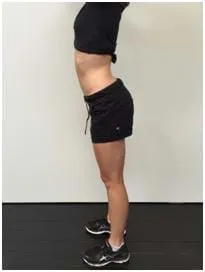
What a perfect picture. If you stand, sit or exercise all day with bottom tucked under, hips pushed forward and slumped like the illustration below, your fly zipper will always gape open.

This will never allow for the connective tissue of the linea alba in your belly to come together, always being pulled apart like the open zip. Instead, stand tall with your waists gently lengthened and your ribs stacked beautifully over your neutral level pelvis. You could now picture that your fly will be drawn together, even if you did forget to do it up after that dash to the loo while managing your crying little one in the pram. Aim for this posture as much as you can, and your belly separation will be encouraged to come together. Even more, your diaphragm, your belly muscles, your pelvic floor and your spine will start to work more as it should, becoming stronger and more supportive.

Ab separation will never start to correct in that first year after baby if we are always in a poor posture for most of our days ( The ultimate goal that you want to achieve is a balanced well working system of deep belly, outer belly, pelvic floor, diaphragm and butt muscles). And as Julie has said, with all great intentions at working on this in your gym or Pilates classes, nothing works better than thinking of your posture and the closed zipper for best outcome. Easy. 

So when standing, sitting, feeding, carry baby, pushing prams, at the gym ( after 4 months post baby girls!), cleaning the house, driving the car… remember your belly as the zipper!

Love it!

Why not check out Julie’s website and blog at

http://www.juliewiebept.com/


Fix News